You had an adjuster out after a storm, and either the letter said denied, or the check that showed up covers a fraction of what it actually takes to fix the roof or siding. Both outcomes feel final. Neither one usually is.
I've sat on roofs with homeowners holding a denial letter that says "wear and tear" or "pre-existing damage," and found wind-lifted shingles with broken sealant strips fifteen feet from where the adjuster's photos were taken. Desk adjusters and even field adjusters on a tight schedule often don't get up on the roof. They look from the ground, pull a satellite photo, or snap a few shots from the ladder's third rung and call it. On Long Island, where salt air off the Sound and the Atlantic chews through granule coating on three sides of most homes, and where nor'easters stack wind events on top of each other every season, that kind of inspection misses real storm damage constantly.
A denial or a lowball isn't the end of the claim. Most policies have a reinspection process and an appraisal clause built in for exactly this disagreement. What gets a claim reopened is documentation the adjuster can't wave off, and a contractor who's willing to put a written scope behind it. Here's what that actually looks like before winter closes the window on getting this done right.
Why Adjusters Deny or Lowball These Claims
The three denial reasons I see most on Long Island roofs and siding are predictable.
- Wear and tear instead of storm damage, even when a specific wind event caused it
- Cosmetic only, no functional damage, usually written about granule loss or siding staining
- Pre-existing damage, assumed from an older roof age without checking if this storm added new damage on top
None of those hold up once you document the mechanism of the damage, not just the result. A thirty-mile-an-hour gust doesn't look like much on paper. On a roof that's already salt-brittled and been through forty or fifty freeze-thaw cycles since last winter, it's enough to crack a sealant strip that never resets. That's the distinction an adjuster moving fast won't dig into unless you make them.
Pull the Weather Data Before You Call Them Back
Before you argue with anyone, get the storm record for your address and date. NOAA's storm events database and local weather station archives will show wind speed, hail, or a named nor'easter on the date you're claiming. Insurers weigh a documented weather event far more than a homeowner's memory of "it was really windy that week." If your town, whether that's Brookhaven, Islip, Smithtown, Huntington, Babylon, Southampton, or one of the Nassau towns, had a named storm on record, cite the date and the event name in your appeal letter, not just "storm damage."
Get a Licensed Contractor Inspection, Not Another Adjuster Visit
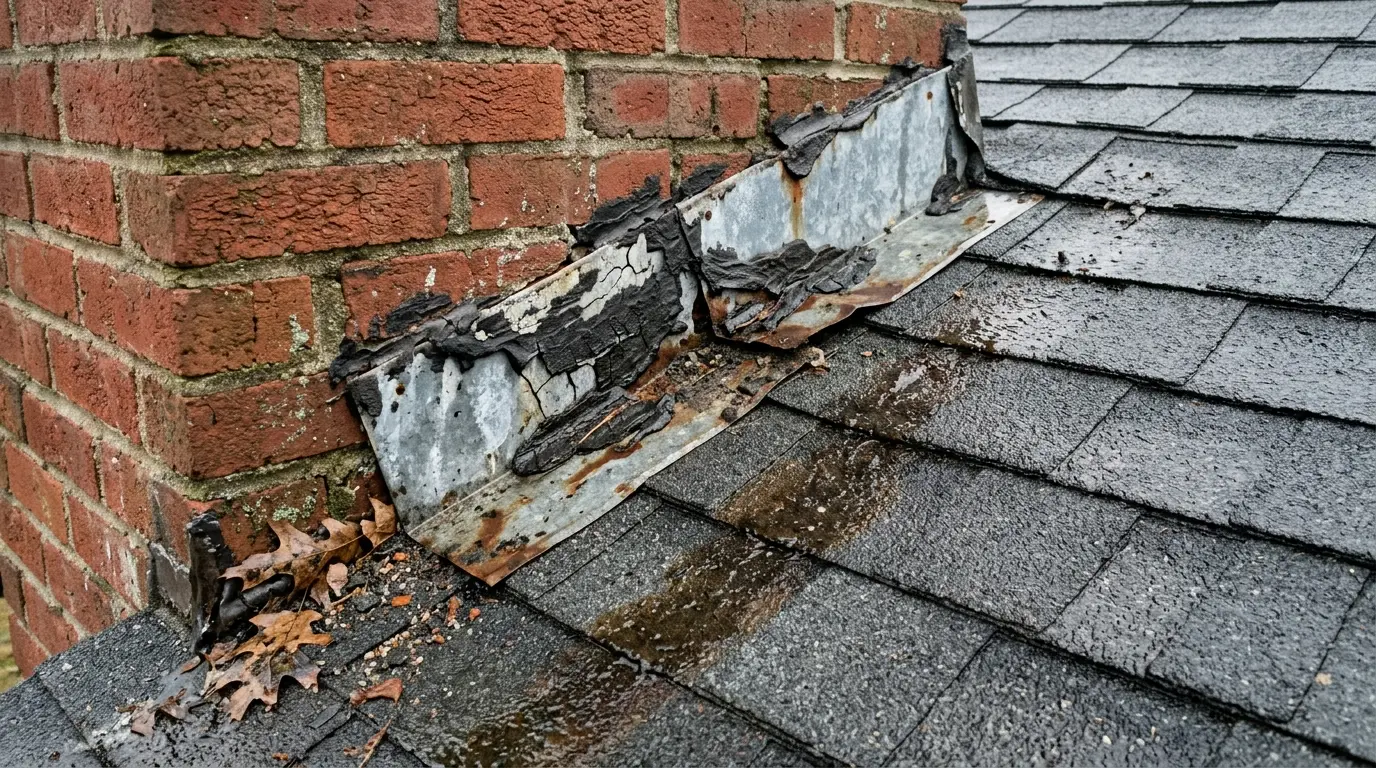
The single biggest lever in reopening a claim is a second set of eyes that isn't working for the insurance company. A licensed roofer walking the actual roof surface finds things a ground-level adjuster photo never catches: lifted shingle tabs with cracked sealant, exposed nail heads, mat showing through worn granules, soft spots from trapped moisture. On siding, it's cracked or bowed panels, pulled fasteners, and impact marks from wind-driven debris, oak and pine branches especially, that read as cosmetic from the street and look very different up close.
We document this the way an appraiser wants to see it: close-up photos with a tape measure in frame, a written scope broken out by section of roof or elevation of siding, and notes tying each defect to the storm date you're claiming. That's the package that gets forwarded to a supervisor instead of filed as a repeat complaint. If your claim is roof-specific, start with roof inspection and repair. If it's siding, the same logic applies through siding repair and replacement.
The Matching Problem on Siding Claims
Siding denials have a second wrinkle roofs don't: matching. Insurers sometimes try to pay for only the damaged panels on one elevation, even when that siding line was discontinued or has faded enough that new panels will visibly mismatch. Many states have rules requiring insurers to address reasonable match, but how that gets applied varies by policy and by carrier, so don't assume a specific outcome. What you can control is the evidence: photos showing the color and texture difference between old and new side by side, and your contractor's written statement that a partial match isn't achievable. That written statement is often what moves a partial payout to a full elevation.
Request a Reinspection or Invoke the Appraisal Clause
Most homeowner policies include an appraisal clause for exactly this disagreement. Each side picks an appraiser, the two appraisers pick a neutral umpire if they disagree, and the umpire's number is binding. It's a formal step, but it exists because lowball disputes are common enough that insurers built a resolution path into the policy itself. Before you go that far, a written reinspection request with your contractor's documentation attached resolves plenty of these without needing appraisal at all. Ask for it in writing, attach the photo report, and reference the storm date and event.
Why Waiting Until Spring Costs You More Here
A denied roof or siding claim doesn't sit still over winter. Every freeze-thaw cycle works into whatever gap already exists, sealant cracks widen, and on the South Shore towns sitting on sandy soil with a high water table, water that gets behind siding or under a compromised roof deck doesn't drain the way it would further inland. It sits, and it moves into the wall cavity. If your gutters are also undersized or pulling away from fascia from the same storm, that water has nowhere to go but down the siding you're trying to get repaired. Worth checking at the same time: gutter repair and replacement. The appeal process can run in parallel with us starting mitigation work, and a contractor's documented timeline of when repairs were requested versus completed also helps your case if the carrier argues you let damage worsen unaddressed.
What We Do
We handle the whole insurance restoration side ourselves, the ladder inspection, the photo documentation, the written scope, and direct communication with your adjuster or appraiser, through insurance restoration services, so you're not translating adjuster language on your own while winter gets closer.
Call (631) 312-7441 or book a free walkthrough.
Frequently Asked Questions
My claim was denied for wear and tear. Can it still be reopened?
Yes, if you can document a specific storm event that caused new damage on top of existing wear. A written contractor inspection that separates age-related wear from storm damage, tied to a documented weather event on a specific date, is usually what gets a wear-and-tear denial reconsidered.
How long do I have to appeal a denied or lowballed claim?
This depends on your specific policy and state insurance regulations, so check your declarations page or ask your agent directly. Most carriers give you a window measured in months, not weeks, but don't wait to find out since documentation is easier to gather right after the storm than months later.
Will the insurance company accept my contractor's inspection report?
A detailed report with measurements, close-up photos, and a defect-by-defect scope carries real weight, especially when it ties damage to a documented storm date. It doesn't replace the claims process, but it's the evidence that moves a reinspection or appraisal in your favor.
What is an appraisal clause and when should I use it?
It's a built-in policy provision where each side hires an appraiser and a neutral umpire resolves disagreements over the value of the damage. It's worth invoking when you and the insurer agree damage exists but disagree sharply on the payout, after a reinspection request hasn't resolved it.
Can I start repairs before the claim is resolved?
Emergency mitigation, like tarping an active leak or stopping water intrusion, should happen right away and is typically covered separately from the main claim. Full repair or replacement work usually waits until the claim amount is settled, so you're not covering a mismatch out of pocket.
Does a partial roof or siding payout mean the claim is closed?
No. A partial payout is often the opening position, not the final one. You can request a reinspection or dispute the scope with your own contractor's documentation, and many homeowners recover additional funds after providing evidence the initial inspection missed.
Related Guides
- Insurance Restoration Services
- Roof Inspection and Repair
- Siding Repair and Replacement
- Gutter Repair and Replacement
Get a Free Estimate from Alec's Construction
Licensed and insured, working across Suffolk County since 2018. We come out, look at the actual job, and put a written number in your hand — no pressure, no obligation.
Or call (631) 312-7441