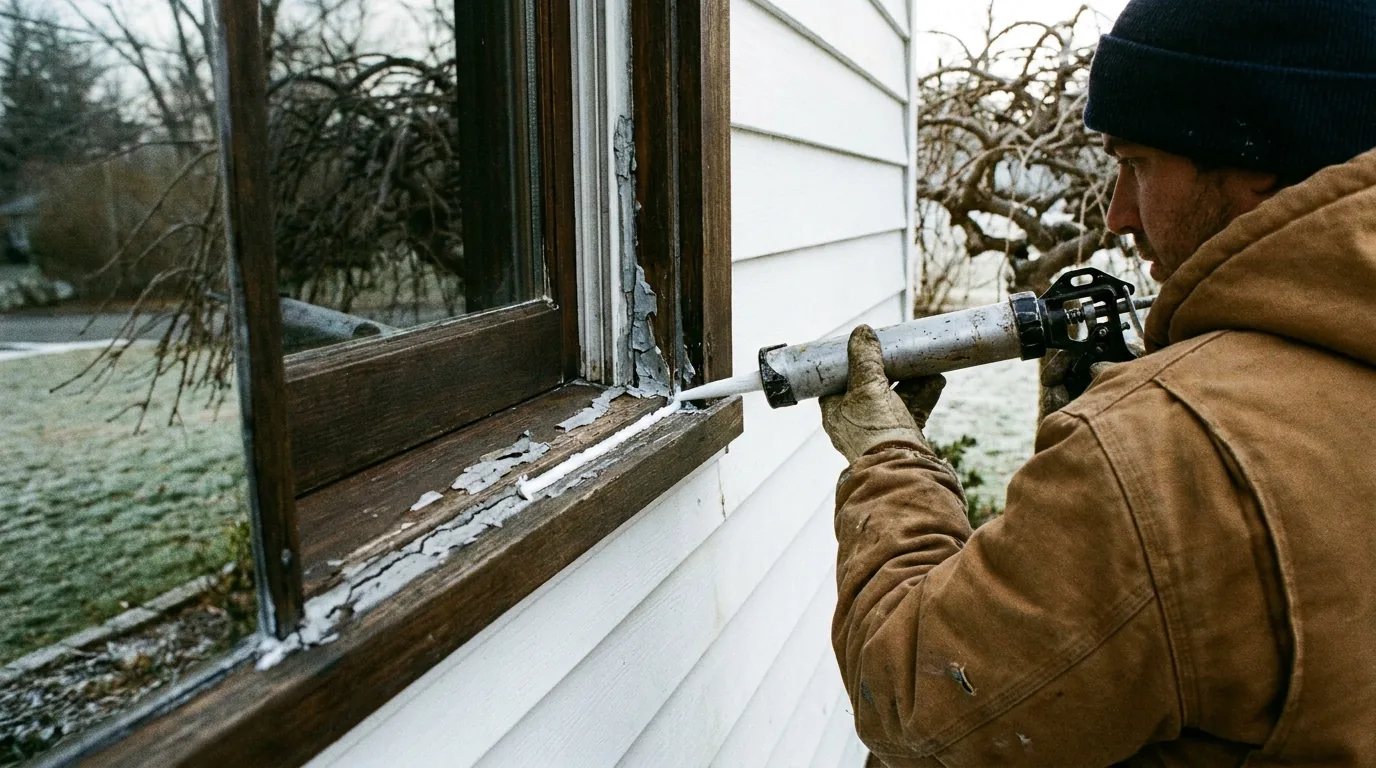
Alec's Construction air-seals and insulates attics in Bayport (11705), working out of the yard in East Patchogue. Attic work is indoor work, so it runs straight through the winter — and the order matters more than the material: seal the leaks, open the vents, then bring the insulation up to depth.
Attic Insulation in Bayport
Bayport has two housing stocks and they could not have more different attics. The big shingle summer houses along Bayport Avenue and the bay shore went up in the late 1800s and early 1900s, and their attics are tall, unfinished or half-finished, under slate and cedar roofs on plank sheathing, with copper beech, oak and elm planted over a century ago shading the slopes. Those attics were built to breathe. Many have no soffit venting, rely on gable louvres, and run damp because the house below leaks into them through chimney chases, back stairs and open wall tops. The 1950s and 60s ranches and capes between the old houses and Montauk Highway are ordinary post-war attics. On the old houses the attic work protects a roof that is costly to open, because moisture from the house condensing on the underside of slate and cedar is what rots the boards they are nailed to.
What We Look at First in Bayport
On one of the old Bayport houses we spend the first visit on moisture, not depth. We look at the underside of the roof boards for staining and frost tracks, find where the warm air is coming from — the chimney chase, the attic stair, the tops of the walls — and seal those openings. Only then do we talk about how much insulation the attic floor can carry and how the roof stays vented with it. On the post-war ranches near the highway it is the normal order: seal, baffle, depth.
Bay-Side Houses: Small Attics and Wind Through the Eaves
A lot of the houses near the water in Bayport began as summer places and became year-round homes later, and the attic shows it. It is shallow, sometimes barely a crawl, with whatever insulation was blown in decades ago now packed down and pushed aside by every trip up there. Wind off the bay blows straight in through open soffits and across the top of that insulation, which is called wind-washing, and it strips out much of what the insulation could do.
So the work near the water starts at the eaves. Baffles go in at every rafter bay so the soffit air rides over the insulation instead of through it, the top plates and the ceiling penetrations get sealed, and only then is the depth brought up. In a shallow attic that may mean dense-packing the eaves where there is no room for loose fill.
On a house that has been raised, the attic is the same as it was — but the house is taller and takes more wind, and the air sealing matters more.
The Order of Work
Air sealing first, because insulation is a filter, not a barrier — warm air moves straight through loose fill and batts. Every hole between the living space and the attic gets sealed: light boxes, the hatch, wiring and plumbing penetrations, chimney chases with fire-rated material, and the tops of the walls.
Then ventilation. Baffles at every rafter bay keep the soffits open so outside air can move under the roof deck, and bath fans get ducted outside instead of into the attic. Then depth: loose fill blown evenly across the attic floor to the depth the code now calls for, with a dam around the hatch so it stays put. You get the before-and-after photographs.
Permits in Bayport
Bayport files with the Town of Islip on Main Street in Islip hamlet; the bayfront streets and Homan Creek blocks are in the mapped flood zone. Insulation and air sealing inside an existing attic are generally not permitted work; anything that changes the roof, the framing or the ventilation openings can be, and we check with the department where it applies.
Alex walks the house in Bayport, photographs what he finds and gives you a written scope in the order the work has to happen — whether or not you hire us. Call (631) 312-7441 to set up a time.
Frequently Asked Questions
Will insulating my Bayport attic damage the slate or cedar roof?
Not if the attic is sealed and still vented. The risk with a slate or cedar roof is moisture, not insulation. If warm, damp air from the house keeps reaching the cold underside of the roof boards, it condenses there and rots the sheathing the roof is nailed to. Sealing the leaks from the house below and keeping air moving under the deck protects it. What we do not do on a Bayport roof like that is pack the rafter bays solid and shut off the venting.
Will new insulation stop ice dams on my Bayport roof?
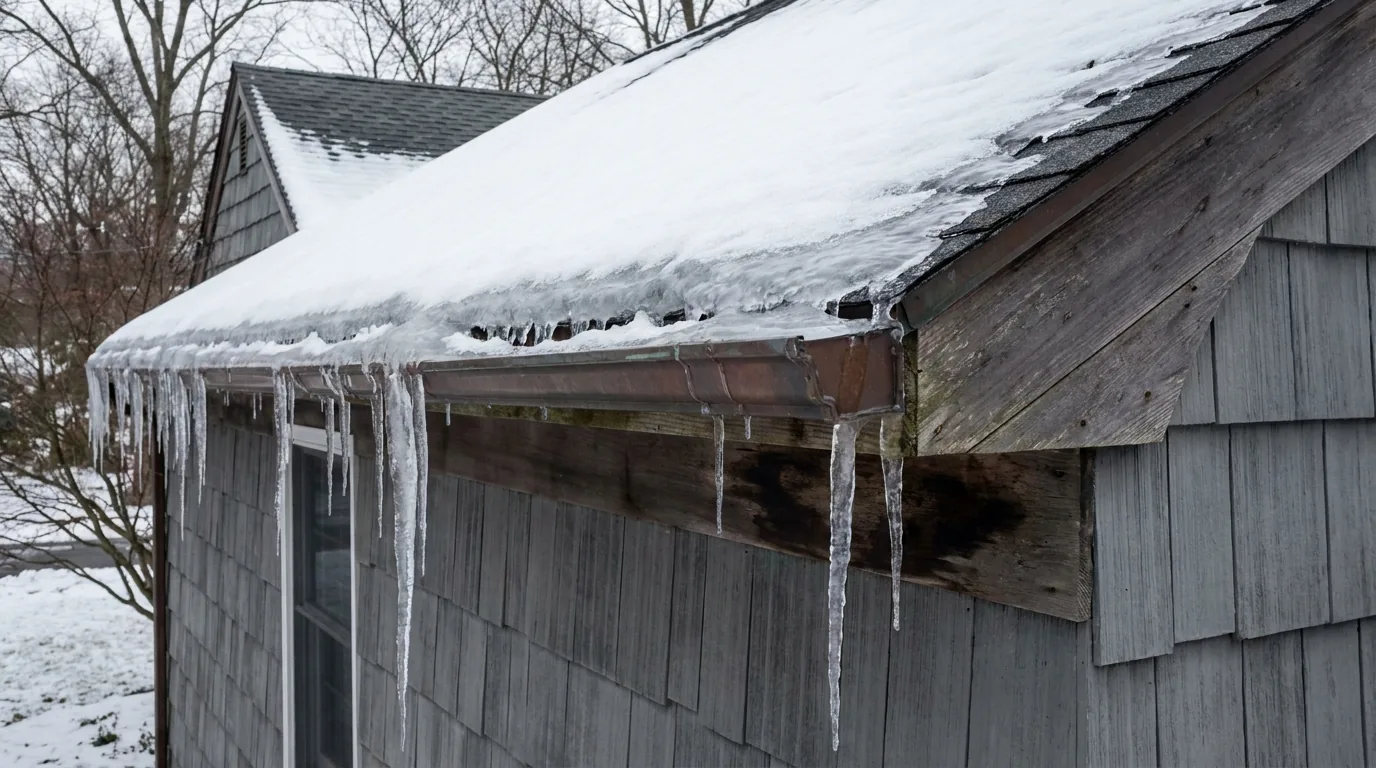
Insulation alone often does not. Ice dams come from warm air leaking into the attic and heating the roof deck, so the fix is air sealing the ceiling, opening the soffit vents with baffles, and then adding depth. Done in that order, it is the real cure.
Should I remove old insulation in my Bayport attic first?
Usually not. Old insulation that is dry and clean can stay, and new insulation goes over it once the air sealing is done. It comes out when it is wet, mouldy, contaminated by animals or so packed down that it hides the bypasses we need to seal.
Who issues the permit for attic insulation work in Bayport?
Bayport files with the Town of Islip on Main Street in Islip hamlet; the bayfront streets and Homan Creek blocks are in the mapped flood zone. Insulation and air sealing inside an existing attic are generally not permitted work; anything that changes the roof, the framing or the ventilation openings can be, and we check with the department where it applies.
Related Guides
- Attic Insulation in Oakdale, NY
- Attic Insulation in East Islip, NY
- Attic Insulation on Long Island
- Knee-Wall Insulation on Long Island
- Ice Dam Prevention on Long Island
Work With Alec's Construction
This page is written by the crew that does the work. See Alec's Attic Insulation service — air sealing, baffles and insulation depth in the order that makes it work. One crew from the first walkthrough to the last inspection.
Also in Bayport through the cold months: Roofing and Windows & Doors.
Also Serving Bayport
- Basement Finishing in Bayport — egress, ceiling height and moisture
- Bathroom Remodeling in Bayport — full gut renovations
- Driveway Paving in Bayport — blacktop, resurfacing and repairs
- Fallen Tree Removal & Roof Repair in Bayport — tree off the house, roof supported and repaired
- Flood & Water Damage Cleanup in Bayport — wet material out, drying metered
- Gutter Installation in Bayport — seamless gutters, fascia and drainage
- Hurricane & Storm Damage Repair in Bayport — trees, flooding, cleanup and repairs
- Interior Painting in Bayport — the right work for the cold months
- Kitchen Remodeling in Bayport — cabinets, counters and layout
- Roofing in Bayport — tear-offs, repairs and storm damage
- Storm Debris Removal & Cleanup in Bayport — trees, building debris and hauling
- Storm Roof & Siding Repair in Bayport — wind damage, tarped and rebuilt
Talk to Alec's Construction About Attic Insulation in Bayport
We come out, look at the house, photograph what we find and put a written scope in your hand. No pressure, no obligation. Working across Suffolk County since 2018.
Or call (631) 312-7441