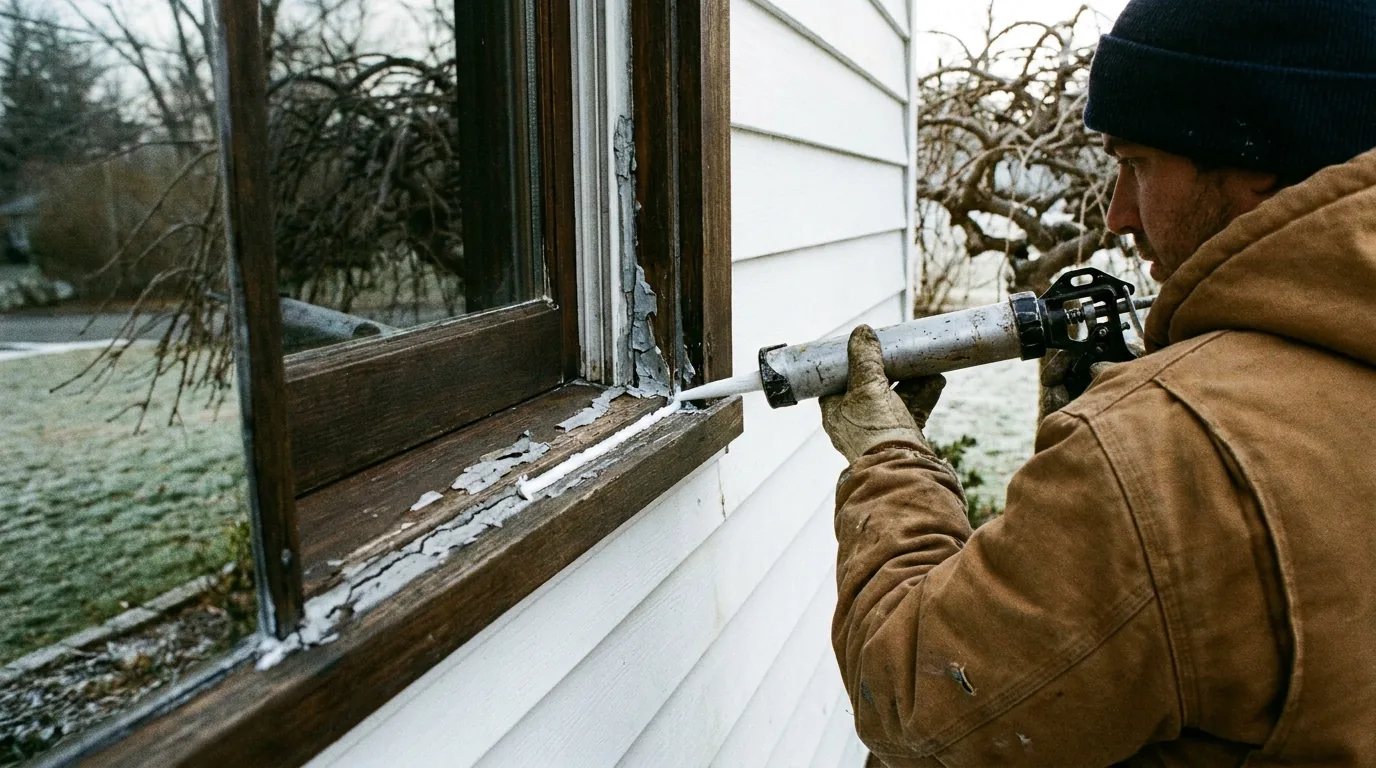
Alec's Construction air-seals and insulates attics in East Islip (11730), working out of the yard in East Patchogue. Attic work is indoor work, so it runs straight through the winter — and the order matters more than the material: seal the leaks, open the vents, then bring the insulation up to depth.
Attic Insulation in East Islip
East Islip splits at Montauk Highway, and the attics split with it. South of the highway, on the canal grids off Bayview and Suffolk Lane, the 1950s and 60s ranches and capes have low open attics and eaves that face Champlin Creek and the Great South Bay, and a south wind drives air straight through the soffits and across the top of the insulation. North of the highway the houses along Carleton Avenue are bigger, older colonials with full attics, pull-down stairs or walk-up doors, and big trees shading the roofs. A lot of East Islip was re-sided and re-roofed after 2012, and that is when the ventilation changed: a ridge vent added, the soffits covered in new vinyl, sometimes perforated vinyl laid over old solid wood that was never cut open. The roof looks vented from the street and the attic is not breathing at the bottom.
What We Look at First in East Islip
We start outside in East Islip, looking up at the soffits, then go up and check them from inside. Perforated vinyl over solid plywood is common, and from the attic you can see whether any daylight reaches the eave. If it does not, the intake gets opened before anything else goes in. On the canal-side ranches the baffles get wind dams because of the exposure; on the Carleton Avenue colonials the pull-down stair gets an insulated, gasketed cover.
Ranches and Capes on the Canals
The 1950s and 60s ranches and capes on the canal grids in East Islip have straightforward attics, which is good news. A ranch has an open attic over the whole house; a cape has a small attic at the peak and knee-wall spaces behind the upstairs rooms. In both, the original insulation is usually thin, settled and full of gaps where recessed lights, bath fans and wiring went through.
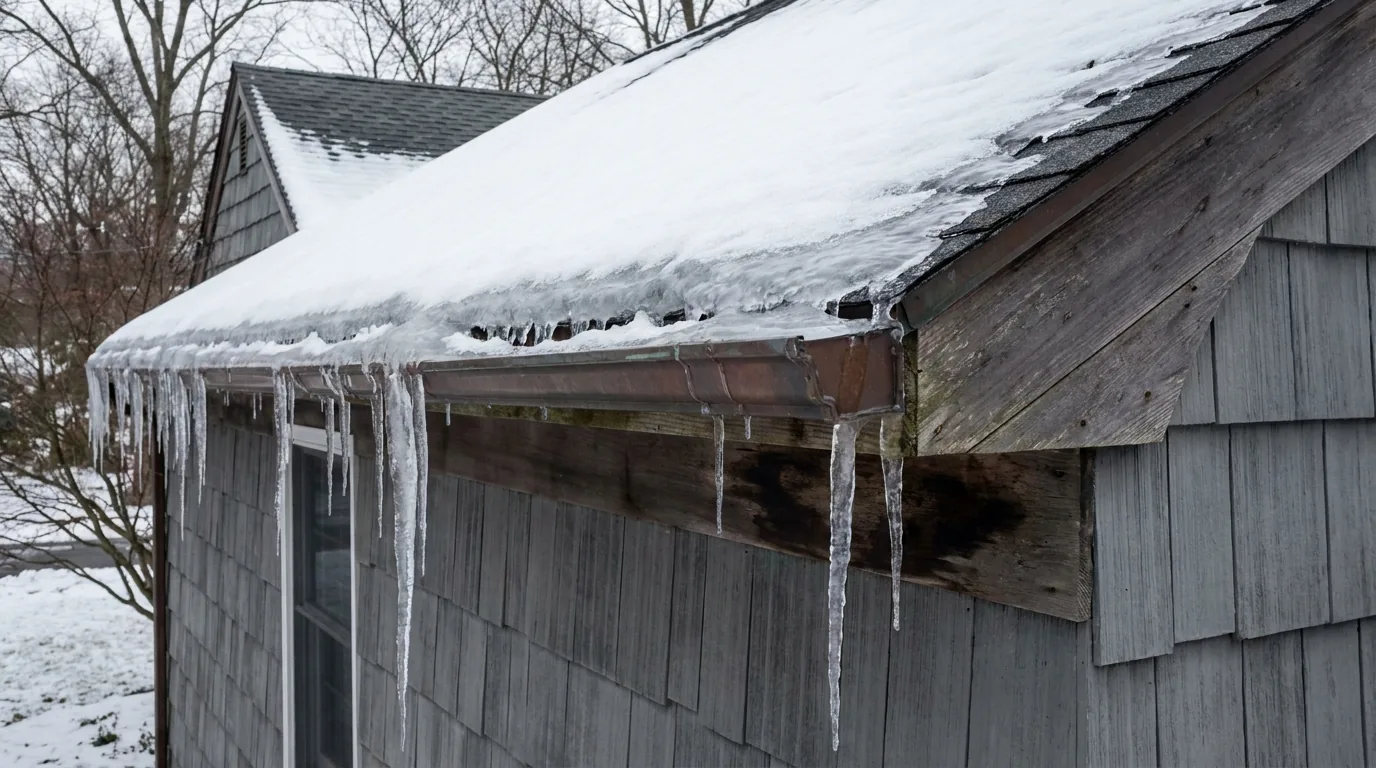
Air sealing comes first. Every hole in the top-floor ceiling — light boxes, the attic hatch, plumbing stacks, the tops of interior walls — leaks warm, moist air into the attic in winter, and that moisture shows up as frost on the underside of the roof deck and damp insulation in spring. Sealing those holes is cheap compared with what it saves.
Many of these houses were repaired after 2012, and the attic was not always part of the repair. A walkthrough now checks whether the bath fans actually vent outside and whether the soffits were closed off when the siding went back on.
The Order of Work
Air sealing first, because insulation is a filter, not a barrier — warm air moves straight through loose fill and batts. Every hole between the living space and the attic gets sealed: light boxes, the hatch, wiring and plumbing penetrations, chimney chases with fire-rated material, and the tops of the walls.
Then ventilation. Baffles at every rafter bay keep the soffits open so outside air can move under the roof deck, and bath fans get ducted outside instead of into the attic. Then depth: loose fill blown evenly across the attic floor to the depth the code now calls for, with a dam around the hatch so it stays put. You get the before-and-after photographs.
Permits in East Islip
East Islip files with the Town of Islip on Main Street in Islip hamlet, a few minutes away; the bayfront and canal streets south of Montauk Highway are in the mapped flood zone. Insulation and air sealing inside an existing attic are generally not permitted work; anything that changes the roof, the framing or the ventilation openings can be, and we check with the department where it applies.
Alex walks the house in East Islip, photographs what he finds and gives you a written scope in the order the work has to happen — whether or not you hire us. Call (631) 312-7441 to set up a time.
Frequently Asked Questions
My East Islip soffits are vented vinyl. Why is the attic still damp?
Look at what is behind the vinyl. When East Islip houses were re-sided after 2012, perforated soffit panels often went over the original solid wood without it being cut open, so the vents are cosmetic. With a ridge vent at the top and no real intake at the bottom, the ridge pulls air out of the house through the ceiling instead, and that air carries moisture. Cutting the old soffit open, setting baffles and sealing the ceiling changes where the attic gets its air.
Should I remove old insulation in my East Islip attic first?
Usually not. Old insulation that is dry and clean can stay, and new insulation goes over it once the air sealing is done. It comes out when it is wet, mouldy, contaminated by animals or so packed down that it hides the bypasses we need to seal.
How much attic insulation does a East Islip house need?
Current New York energy code calls for a much deeper attic layer than most Long Island houses have — typically more than a foot of loose fill. Depth is only half of it: the attic has to be air-sealed and properly vented first, or added insulation does far less than it should.
Who issues the permit for attic insulation work in East Islip?
East Islip files with the Town of Islip on Main Street in Islip hamlet, a few minutes away; the bayfront and canal streets south of Montauk Highway are in the mapped flood zone. Insulation and air sealing inside an existing attic are generally not permitted work; anything that changes the roof, the framing or the ventilation openings can be, and we check with the department where it applies.
Related Guides
- Attic Insulation in Brightwaters, NY
- Attic Insulation in Copiague, NY
- Attic Insulation on Long Island
- Attic Air Sealing on Long Island
- Attic Ventilation on Long Island
Work With Alec's Construction
This page is written by the crew that does the work. See Alec's Attic Insulation service — air sealing, baffles and insulation depth in the order that makes it work. One crew from the first walkthrough to the last inspection.
Also in East Islip through the cold months: Roofing and Windows & Doors.
Also Serving East Islip
- Basement Finishing in East Islip — egress, ceiling height and moisture
- Bathroom Remodeling in East Islip — full gut renovations
- Fallen Tree Removal & Roof Repair in East Islip — tree off the house, roof supported and repaired
- Flood & Water Damage Cleanup in East Islip — wet material out, drying metered
- Gutter Installation in East Islip — seamless gutters, fascia and drainage
- Hurricane & Storm Damage Repair in East Islip — trees, flooding, cleanup and repairs
- Interior Painting in East Islip — the right work for the cold months
- Kitchen Remodeling in East Islip — cabinets, counters and layout
- Roofing in East Islip — tear-offs, repairs and storm damage
- Storm Debris Removal & Cleanup in East Islip — trees, building debris and hauling
- Storm Roof & Siding Repair in East Islip — wind damage, tarped and rebuilt
Talk to Alec's Construction About Attic Insulation in East Islip
We come out, look at the house, photograph what we find and put a written scope in your hand. No pressure, no obligation. Working across Suffolk County since 2018.
Or call (631) 312-7441