Alec's Construction air-seals and insulates attics in Yaphank (11980), working out of the yard in East Patchogue. Attic work is indoor work, so it runs straight through the winter — and the order matters more than the material: seal the leaks, open the vents, then bring the insulation up to depth.
Attic Insulation in Yaphank
Yaphank is Brookhaven's rural middle, with houses spread along Main Street, Yaphank Avenue and the streets around the two lakes on big wooded lots under pitch pine and oak. Along the old Main Street the oaks stand over some of the oldest houses in the town — frame houses with plank-sheathed roofs, walk-up attics and walls open from the cellar to the attic. Elsewhere the housing is ranches and colonials on large lots. The big lots and tall trees mean a lot of roof in steady shade, and the north slopes hold snow long after it has gone in the open. The Carmans River and the lakes keep the low ground damp. On the old houses the attic is part of how the whole house moves air, and insulating it without understanding that can trap moisture under a roof that has been drying itself out for generations.
What We Look at First in Yaphank
On an old Main Street house in Yaphank, the first visit is about air and moisture rather than depth. We trace where warm air gets into the attic — open wall tops, the chimney chase, the attic stair — and look at the roof boards for signs of condensation. Old wiring is checked before anything covers it. Sealing comes first; then we work out how much insulation the attic floor can take while the roof stays vented and dry.
Ranches, Hi-Ranches and Shaded Roofs
Yaphank is mostly ranches, capes and hi-ranches under pine and oak, and the attics are open and easy to reach — which makes them some of the most worthwhile insulation jobs on the Island. What we usually find is an original layer that has settled well below where it should be, insulation pulled back around the hatch, bath fans dumping into the attic, and soffit vents blocked by insulation pushed into the eaves.
The order of work fixes all of it: seal the ceiling penetrations and top plates, run bath fans to the outside, put baffles in at the eaves so the soffits breathe, then blow in loose fill to full depth across the whole floor, with a dam around the hatch.
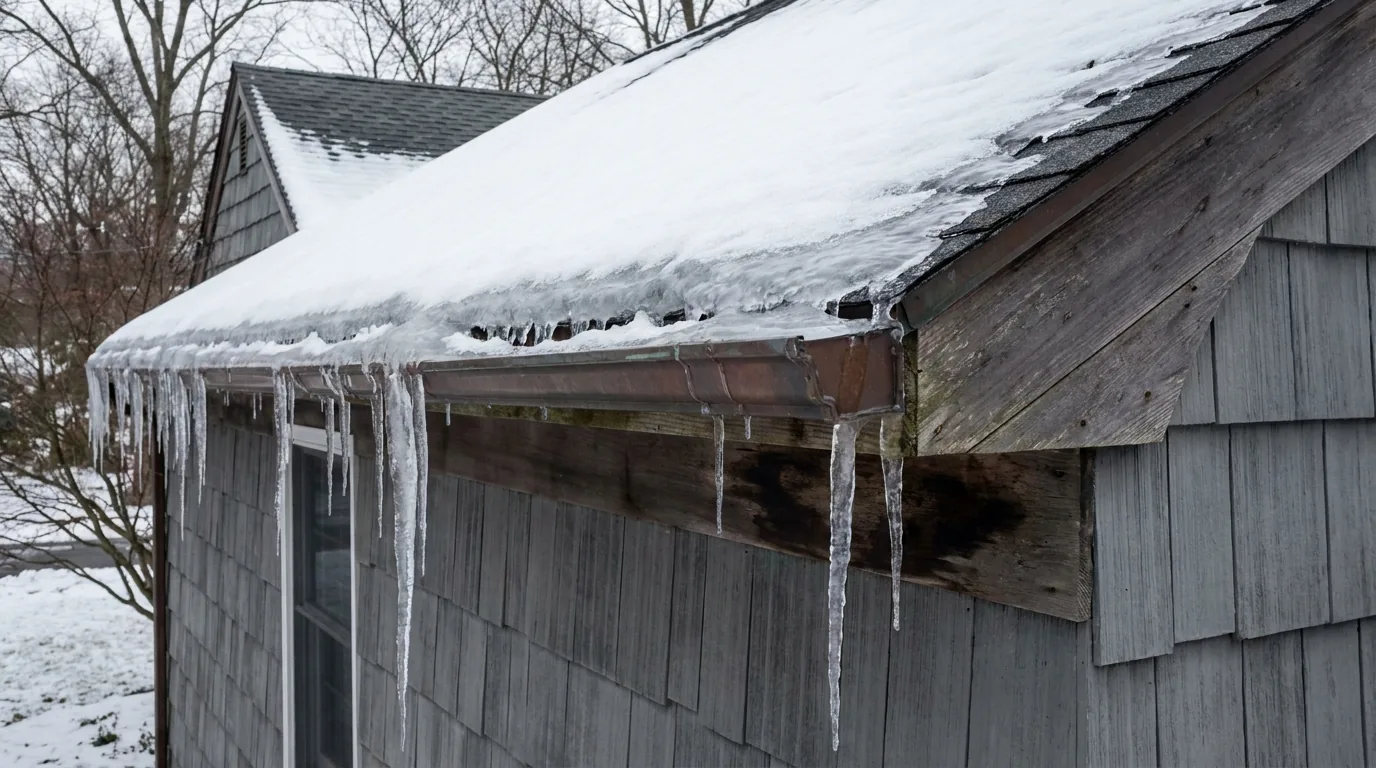
The trees matter too. A roof shaded by tall pines holds snow on its north side for days, and if the attic below is warm the snow melts and refreezes at the eave. A cold, well-sealed attic is what stops that.
Seal, Vent, Then Insulate
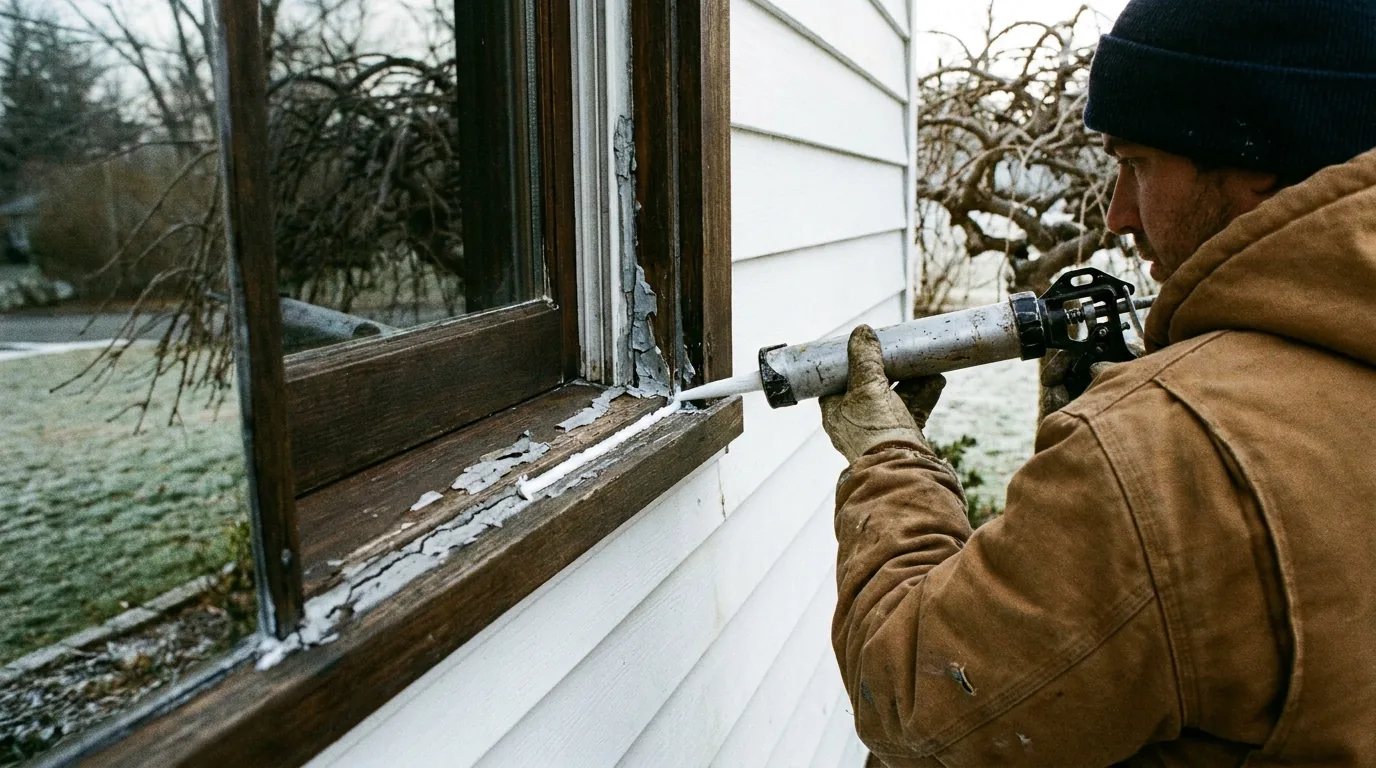
Adding insulation over an attic that leaks air is the most common mistake in this trade. Warm, moist air keeps moving through the new layer, condenses on the cold roof deck in winter, and the attic ends up wetter than it was. So the sequence never changes: seal the bypasses, open the ventilation, then bring the insulation up to depth.
On a walkthrough Alex checks the depth and condition of what is there, the soffit intake, the ridge or gable exhaust, where the bath fans go, the attic hatch, and the underside of the roof deck for frost stains or mould. That tells us whether the attic needs topping up or a proper reset, and you get the photographs either way.
Permits in Yaphank
Yaphank files with the Town of Brookhaven at Independence Hill in Farmingville, about ten minutes west. Insulation and air sealing inside an existing attic are generally not permitted work; anything that changes the roof, the framing or the ventilation openings can be, and we check with the department where it applies.
Alex walks the house in Yaphank, photographs what he finds and gives you a written scope in the order the work has to happen — whether or not you hire us. Call (631) 312-7441 to set up a time.
Frequently Asked Questions
Is it safe to insulate the attic of one of the old houses on Yaphank's Main Street?
Yes, if it is done in the right order. An old frame house leaks so much air that its roof has stayed dry by being washed with heat from below. Insulate the attic floor without sealing those leaks and the house still pushes damp air up, but the roof is now colder and the moisture condenses on it. Seal first, keep the roof vented, check the wiring, then add depth. Done that way, the roof stays dry and the house gets warmer.
Should I remove old insulation in my Yaphank attic first?
Usually not. Old insulation that is dry and clean can stay, and new insulation goes over it once the air sealing is done. It comes out when it is wet, mouldy, contaminated by animals or so packed down that it hides the bypasses we need to seal.
How much attic insulation does a Yaphank house need?
Current New York energy code calls for a much deeper attic layer than most Long Island houses have — typically more than a foot of loose fill. Depth is only half of it: the attic has to be air-sealed and properly vented first, or added insulation does far less than it should.
Who issues the permit for attic insulation work in Yaphank?
Yaphank files with the Town of Brookhaven at Independence Hill in Farmingville, about ten minutes west. Insulation and air sealing inside an existing attic are generally not permitted work; anything that changes the roof, the framing or the ventilation openings can be, and we check with the department where it applies.
Related Guides
- Attic Insulation in Manorville, NY
- Attic Insulation in Stony Brook, NY
- Attic Insulation on Long Island
- Ice Dam Prevention on Long Island
- Attic Air Sealing on Long Island
Work With Alec's Construction
This page is written by the crew that does the work. See Alec's Attic Insulation service — air sealing, baffles and insulation depth in the order that makes it work. One crew from the first walkthrough to the last inspection.
Also in Yaphank through the cold months: Roofing and Windows & Doors.
Also Serving Yaphank
- Basement Finishing in Yaphank — egress, ceiling height and moisture
- Bathroom Remodeling in Yaphank — full gut renovations
- Fallen Tree Removal & Roof Repair in Yaphank — tree off the house, roof supported and repaired
- Flood & Water Damage Cleanup in Yaphank — wet material out, drying metered
- Gutter Installation in Yaphank — seamless gutters, fascia and drainage
- Hurricane & Storm Damage Repair in Yaphank — trees, flooding, cleanup and repairs
- Interior Painting in Yaphank — the right work for the cold months
- Kitchen Remodeling in Yaphank — cabinets, counters and layout
- Roofing in Yaphank — tear-offs, repairs and storm damage
- Storm Debris Removal & Cleanup in Yaphank — trees, building debris and hauling
- Storm Roof & Siding Repair in Yaphank — wind damage, tarped and rebuilt
Talk to Alec's Construction About Attic Insulation in Yaphank
We come out, look at the house, photograph what we find and put a written scope in your hand. No pressure, no obligation. Working across Suffolk County since 2018.
Or call (631) 312-7441