Alec's Construction air-seals and insulates attics in Huntington Station (11746), working out of the yard in East Patchogue. Attic work is indoor work, so it runs straight through the winter — and the order matters more than the material: seal the leaks, open the vents, then bring the insulation up to depth.
Attic Insulation in Huntington Station
Huntington Station climbs south from the village toward the Expressway on the moraine, and its streets off New York Avenue and Pulaski Road are 1920s to 60s houses on small lots under big old street trees. The older ones are the interesting attics: 1920s and 30s houses with steep roofs, small attics, plaster ceilings and sometimes old knob-and-tube wiring still running across the attic floor. The 1960s and 70s colonials and splits on the newer streets south toward Melville have conventional attics under oaks saved when the lots were cut. Norway maples and oaks over the roofs shade them through the winter and fill the gutters and soffits with leaves. The Town of Huntington has taken heavy tree damage in nor'easters, and a lot of attics here have been opened, wetted or patched along the way. Every one of those is a chance to do the attic properly.
What We Look at First in Huntington Station
In a 1920s or 30s Huntington Station house we check the wiring before anything else. Live knob-and-tube in an attic floor is not something to bury; it goes to an electrician first to be replaced or confirmed dead. Plaster ceilings get handled gently, with boards laid across the joists rather than anyone kneeling between them. Then the top plates and the chimney gap are sealed, the eaves baffled and the leaves cleared, and the depth blown in.
Two-Storey Colonials and the Attic Over Them
The colonials, splits and contemporaries on the wooded lots in Huntington Station have big attics and big ceilings below them, and the leaks are spread across all of it: recessed lights in the top-floor ceilings, the attic pull-down stair, bath fans, plumbing and wiring runs, and the tops of every interior wall. On a large house those add up to a lot of open area, and warm air rises through all of it all winter.
Air sealing comes first, then baffles at every eave so the soffits stay open, then insulation to full depth across the attic floor. Recessed lights rated for contact get covered; old ones get sealed boxes. The pull-down stair gets an insulated, gasketed cover — it is often the single biggest hole in the ceiling.
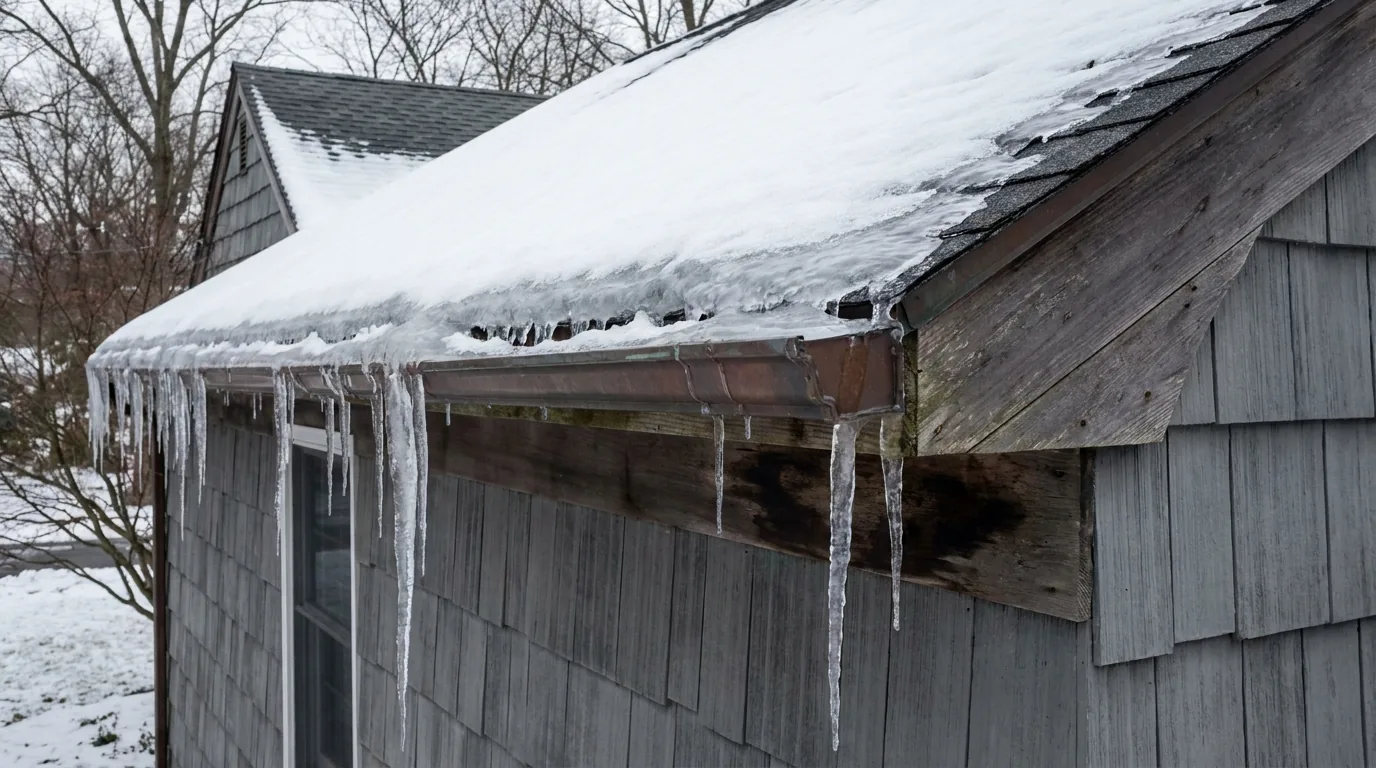
Tall trees shade the north slopes of these roofs, and that is where ice dams start. A sealed, cold attic keeps the deck below freezing, and the snow stays where it fell.
Seal, Vent, Then Insulate
Adding insulation over an attic that leaks air is the most common mistake in this trade. Warm, moist air keeps moving through the new layer, condenses on the cold roof deck in winter, and the attic ends up wetter than it was. So the sequence never changes: seal the bypasses, open the ventilation, then bring the insulation up to depth.
On a walkthrough Alex checks the depth and condition of what is there, the soffit intake, the ridge or gable exhaust, where the bath fans go, the attic hatch, and the underside of the roof deck for frost stains or mould. That tells us whether the attic needs topping up or a proper reset, and you get the photographs either way.
Permits in Huntington Station
Huntington Station files with the Town of Huntington at Town Hall on Main Street in Huntington. Insulation and air sealing inside an existing attic are generally not permitted work; anything that changes the roof, the framing or the ventilation openings can be, and we check with the department where it applies.
Alex walks the house in Huntington Station, photographs what he finds and gives you a written scope in the order the work has to happen — whether or not you hire us. Call (631) 312-7441 to set up a time.
Frequently Asked Questions
There is old knob-and-tube wiring in my Huntington Station attic. Can it be insulated over?
Not while it is live. Knob-and-tube was designed to shed heat into open air, and burying it in insulation takes that away. On the 1920s and 30s houses off New York Avenue we still find it in attic floors. The first step is an electrician confirming whether it is live; if it is, it gets replaced in the attic before insulation goes in. If it is already dead and disconnected, it can be left and covered. Either way it is settled before any depth goes down.
Should I remove old insulation in my Huntington Station attic first?
Usually not. Old insulation that is dry and clean can stay, and new insulation goes over it once the air sealing is done. It comes out when it is wet, mouldy, contaminated by animals or so packed down that it hides the bypasses we need to seal.
How much attic insulation does a Huntington Station house need?
Current New York energy code calls for a much deeper attic layer than most Long Island houses have — typically more than a foot of loose fill. Depth is only half of it: the attic has to be air-sealed and properly vented first, or added insulation does far less than it should.
Who issues the permit for attic insulation work in Huntington Station?
Huntington Station files with the Town of Huntington at Town Hall on Main Street in Huntington. Insulation and air sealing inside an existing attic are generally not permitted work; anything that changes the roof, the framing or the ventilation openings can be, and we check with the department where it applies.
Related Guides
- Attic Insulation in Dix Hills, NY
- Attic Insulation in Melville, NY
- Attic Insulation on Long Island
- Attic Ventilation on Long Island
- Knee-Wall Insulation on Long Island
Work With Alec's Construction
This page is written by the crew that does the work. See Alec's Attic Insulation service — air sealing, baffles and insulation depth in the order that makes it work. One crew from the first walkthrough to the last inspection.
Also in Huntington Station through the cold months: Roofing and Windows & Doors.
Also Serving Huntington Station
- Basement Finishing in Huntington Station — egress, ceiling height and moisture
- Bathroom Remodeling in Huntington Station — full gut renovations
- Fallen Tree Removal & Roof Repair in Huntington Station — tree off the house, roof supported and repaired
- Flood & Water Damage Cleanup in Huntington Station — wet material out, drying metered
- Gutter Installation in Huntington Station — seamless gutters, fascia and drainage
- Hurricane & Storm Damage Repair in Huntington Station — trees, flooding, cleanup and repairs
- Interior Painting in Huntington Station — the right work for the cold months
- Kitchen Remodeling in Huntington Station — cabinets, counters and layout
- Roofing in Huntington Station — tear-offs, repairs and storm damage
- Storm Debris Removal & Cleanup in Huntington Station — trees, building debris and hauling
- Storm Roof & Siding Repair in Huntington Station — wind damage, tarped and rebuilt
Talk to Alec's Construction About Attic Insulation in Huntington Station
We come out, look at the house, photograph what we find and put a written scope in your hand. No pressure, no obligation. Working across Suffolk County since 2018.
Or call (631) 312-7441