Every window sold in the United States carries an NFRC label with four or five numbers on it, and those numbers are the only way to compare two windows honestly. Brand names, "energy efficient," "triple sealed" and the rest are marketing. The label is not.
The Numbers
U-factor. The rate heat passes through the whole assembly — glass, frame, spacer, everything. Lower is better. This is the winter number and on Long Island it is the one that matters most. A typical older single-glazed wood window is well above 1.0; a clear double-glazed unit sits somewhere around 0.5; a modern low-E double-glazed unit with argon lands in the low 0.3s or below.
Solar Heat Gain Coefficient (SHGC). The fraction of solar energy that gets through. Lower means less summer heat and less winter solar gain. It is a trade-off rather than a "lower is better" number, and it is where orientation comes in.
Visible Transmittance (VT). How much visible light comes through. Higher is brighter. Worth watching, because the coatings that push SHGC down also push VT down, and at some point the room gets gloomy.
Air Leakage (AL). Cubic feet per minute per square foot of window area. Lower is better. Not every manufacturer reports it, and it is exactly where casement beats double-hung.
Condensation Resistance. Optional on the label, higher is better. Useful if condensation is the problem you are trying to solve.
What Long Island Has to Meet
New York's Energy Conservation Construction Code places Long Island in Climate Zone 4A. The prescriptive fenestration values for Zone 4 other than marine are a U-factor of 0.32 or lower and a SHGC of 0.40 or lower, with skylights allowed a higher U-factor.
That is the prescriptive path for new construction and for work that triggers the energy code. Confirm the edition currently in force with your building department — it is revised on a cycle and the numbers move.
For a replacement job, treat U-0.30 or better as the sensible target rather than the minimum. The difference in unit cost between a code-minimum window and a good one is small compared with the labour of putting it in, and you are only doing this once.
Orientation Actually Changes the Right Answer
Most homeowners buy one specification for the whole house, which is simpler and defensible. If you want to be smarter about it:
- South-facing glass on Long Island collects useful heat in January. A moderate SHGC there is a free contribution to the heating season, provided there is shade or an overhang for July.
- West-facing glass is where summer overheating comes from, because the low afternoon sun goes straight in. Low SHGC is worth it here.
- North-facing glass gets no direct gain at all, so the SHGC is close to irrelevant and the U-factor is everything.
What the Label Does Not Tell You
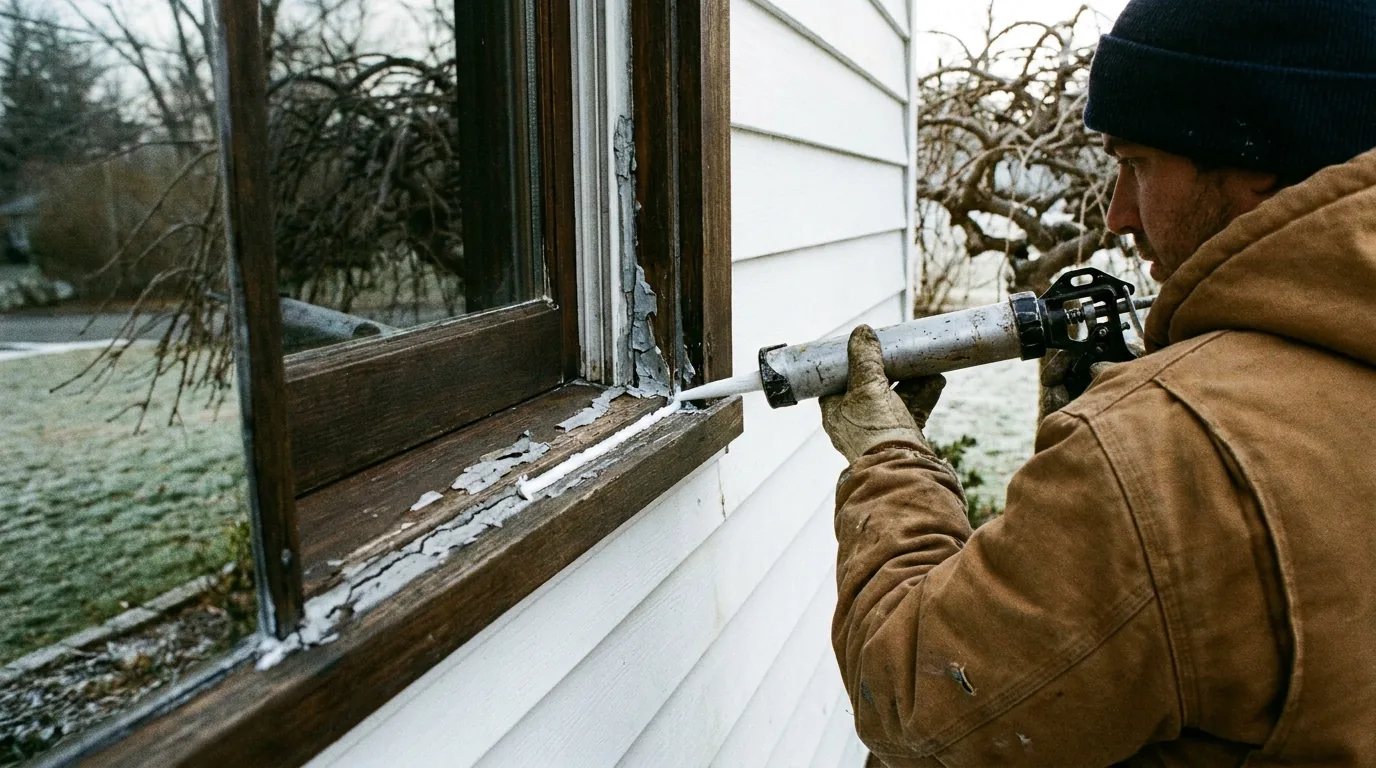
How it was installed. A window with an excellent U-factor, set into an unsealed rough opening with a handful of fibreglass stuffed round it, will underperform a mediocre window installed properly. The gap between the unit and the framing gets sealed with low-expansion foam or backer rod and sealant, deliberately, on every opening. Ask whether that is in the quote.
Whether it is flashed. No number on the label has anything to do with keeping water out of your wall. That is the sill pan and the flashing sequence.
What the frame is made of. Vinyl, fibreglass, wood, clad wood and aluminum all behave differently over decades of Long Island sun, salt and freeze-thaw, and the U-factor on day one tells you nothing about that. Dark-coloured vinyl in full south sun is worth a conversation about expansion.
Whether the installer will come back. Manufacturer glass warranties are typically long; labour warranties are typically not. Both matter and they are two separate documents.
The Honest Ranking
If you are spending a fixed amount on comfort in a Long Island house, the order is usually: air seal and insulate the attic, deal with the rim joist and any knee walls, seal round the existing windows, and then replace windows. Windows are the most visible item on that list and rarely the highest return per dollar — which does not mean they are not worth doing, only that they are worth doing in the right order and for the right reasons.
Alec's Construction handles windows and doors as carpentry, which is what they are. The unit is a component; the job is the opening — the sill, the flashing, the shim pack, the insulation in the gap and the trim that goes back over it. Alex comes out, measures the actual openings, tells you which ones are worth doing first, and puts a written scope in your hand. Free walkthrough, no obligation, across Suffolk County.
Frequently Asked Questions
What U-factor do windows need on Long Island?
Long Island is in Climate Zone 4A, where the prescriptive fenestration values are a U-factor of 0.32 or lower and an SHGC of 0.40 or lower. That is the code path for new construction and for work that triggers the energy code; confirm the edition in force with your building department. For a replacement job, U-0.30 or better is a sensible target because the unit cost difference is small next to the labour.
What is SHGC and should it be high or low?
Solar Heat Gain Coefficient is the fraction of the sun's energy that gets through the window. It is a trade-off, not a lower-is-better number. On Long Island, low SHGC is worth it on west-facing glass where afternoon summer sun causes overheating; on south-facing glass a moderate SHGC contributes useful heat in January. On north-facing glass it barely matters and the U-factor is what counts.
Are triple-pane windows worth it on Long Island?
Rarely the best use of the money here. Climate Zone 4A is not cold enough for triple glazing to pay back the way it does in northern New England or the upper Midwest, and the extra weight is hard on double-hung balances. A good double-glazed low-E unit with argon and a warm-edge spacer gets you most of the way. The exception is noise — triple glazing does help near a busy road or under a flight path.
Does the NFRC label tell me if the window is installed well?
No, and that is the gap that costs people money. The label rates the unit in a laboratory. How it performs in your wall depends on whether the gap between the unit and the framing was properly sealed, whether it was shimmed square so the sashes meet, and whether the opening was flashed so water gets led back out. Ask what the quote includes on all three.
Related Guides
- Window Replacement on Long Island
- Double-Hung vs Casement vs Slider
- Full-Frame vs Insert Replacement
- Entry and Patio Doors on Long Island
- Drafty Window Repair on Long Island
Work With Alec's Construction
This guide is written by the crew that does the work. See Alec's Windows & Doors service — insert and full-frame replacement, flashed and sealed as carpentry. One crew start to finish, free walkthrough and a written estimate inside 48 hours.
Booking the cold months now: we also handle Siding and Attic Insulation.
Get a Free Estimate from Alec's Construction
Working across Suffolk County since 2018, one crew from start to finish. We come out, look at the actual job, and put a written number in your hand — no pressure, no obligation.
Or call (631) 312-7441