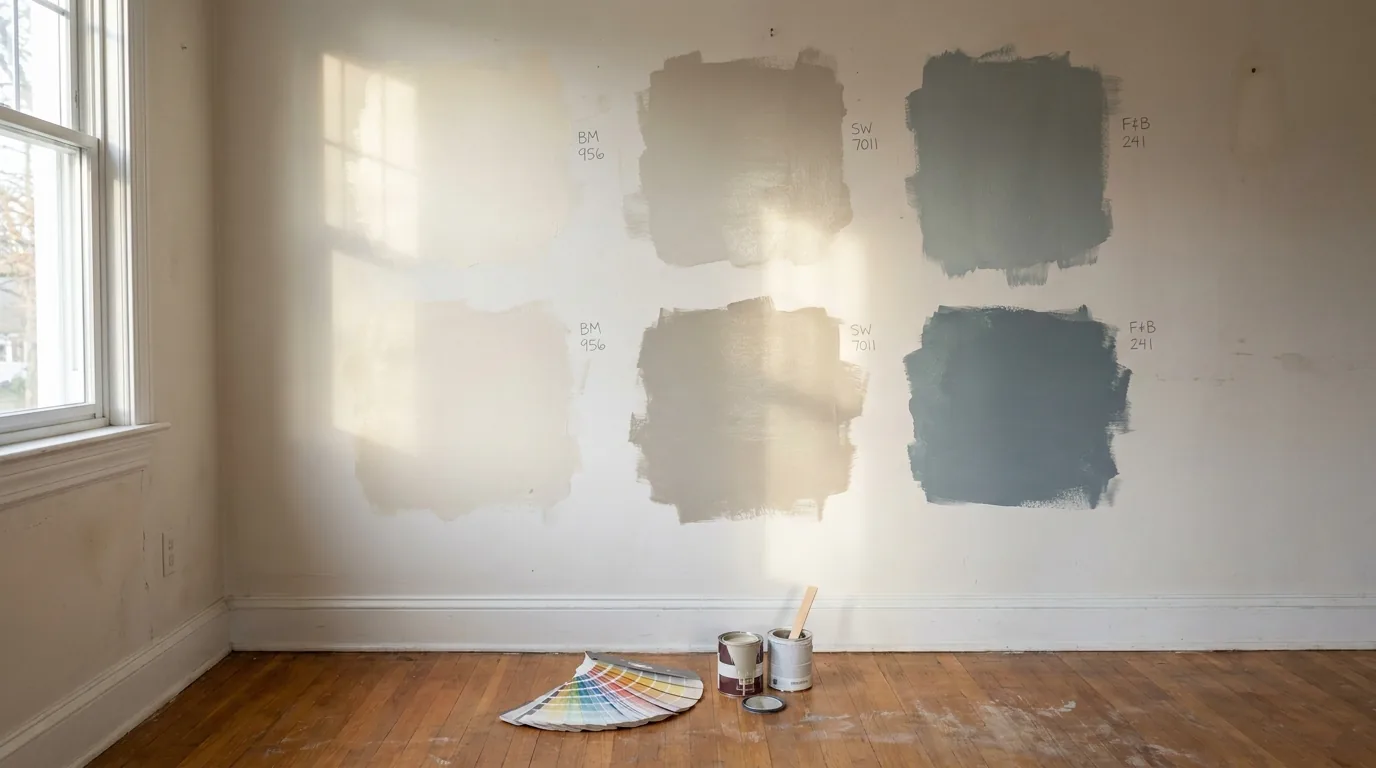
The most common question we get about painting is also the hardest one to answer honestly in a single number, because two houses with the same square footage on the same street can differ by a factor of two. What we can do is tell you what the market looks like on Long Island, and more usefully, tell you exactly which variables move the number — so when you get three quotes that are thousands of dollars apart you can tell which one is wrong.
Long Island Market Ranges
These are general market ranges for Nassau and Suffolk County in 2026 for licensed, insured, properly prepped work. They are not a quote from us, and any contractor who gives you a firm price without seeing the house is guessing.
Interior, per room. A standard 12x12 bedroom with walls and ceiling, trim in sound condition, typically falls in the $450 to $900 range. Add trim and doors and you move toward the upper end. Rooms with high ceilings, heavy millwork, or extensive repair go past it.
Interior, whole house. A 2,000 square foot Long Island colonial, full interior, walls, ceilings, trim and doors, generally runs $7,000 to $15,000. The spread is almost entirely about trim, ceiling condition and how much drywall or plaster repair is in the scope.
Exterior, whole house. A 2,000 square foot two-story exterior generally runs $8,000 to $18,000. Cedar shingle, heavy prep, three stories, extensive rot repair or a house that has not been painted in fifteen years pushes past that.
Kitchen cabinets. A standard L-shaped kitchen of 25 to 35 doors and drawer fronts, sprayed properly, generally runs $4,000 to $9,000 — against $25,000 or more to replace the same boxes.
Front door and shutters. Usually $600 to $1,500 and the best dollar-for-dollar curb appeal purchase available.
The Variables That Actually Move the Number
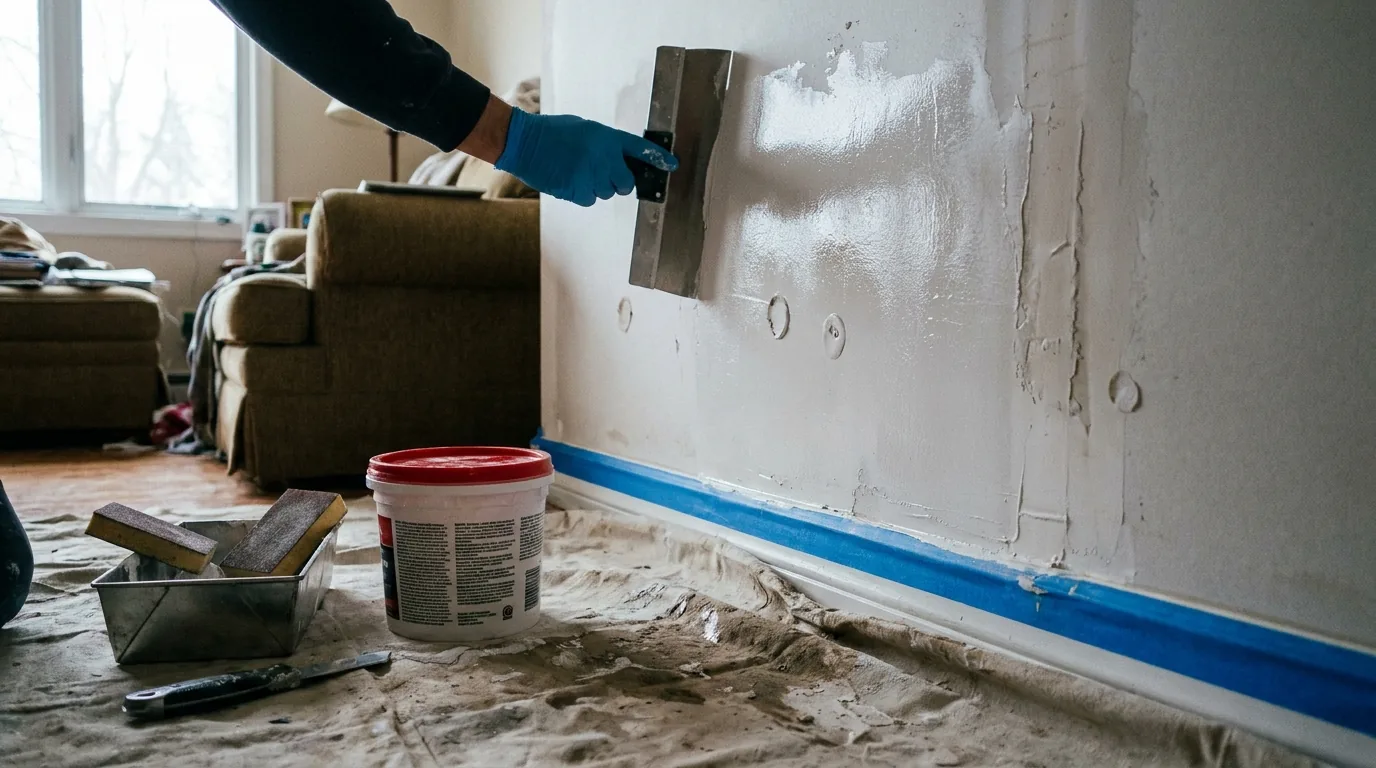
1. Prep condition, by a mile This is the biggest single factor and the one homeowners underestimate. A house with sound, well-adhered existing paint is a fraction of the cost of one with widespread peeling, failed caulk, rotted sills or old wallpaper adhesive. Two identical colonials can differ by $6,000 on prep alone. When a quote is dramatically lower than the others, prep is where the difference lives.
2. Trim, doors and millwork Walls are fast. Trim is slow. A room with plain colonial casing, no crown, and hollow-core doors paints in a fraction of the time as the same room with crown molding, chair rail, wainscoting and six-panel doors. Older Long Island homes with real millwork carry a real premium, and it is legitimate.
3. Ceiling height and access Nine and ten foot ceilings, cathedral ceilings, two-story foyers and stairwells all require staging rather than a step ladder. On exteriors, a third story or a walk-out basement grade change can mean scaffolding instead of ladders. Access drives labor hours more than most people expect.
4. Color change Going from beige to a similar off-white is a two-coat job. Going from a deep red accent wall to white, or from dark walls to light, means a primer coat plus two finish coats — a fifty percent increase in material and application time for that surface.
5. Substrate Cedar needs a stain-blocking primer. Bare wood needs priming. Chalked aluminum needs a bonding primer. Vinyl needs a vinyl-safe product and a color restriction. Masonry needs a breathable coating. Each one changes the material spec and some change the labor.
6. Paint grade There is a real difference between a builder-grade contractor paint and a premium acrylic, both in coverage on the first coat and in how the finish holds up to Long Island UV and salt air. On an exterior the premium product is worth it; the labor is the same either way and the labor is most of the cost.
7. Occupied vs empty An empty house paints faster. An occupied one requires furniture moving, daily setup and breakdown, staging so the family can live there, and a cleaner protection standard. That is real time.
8. Season Exterior work in peak season, May through August, prices higher than the same job in late September because demand is higher. Interior work in December through February is the cheapest and most available it will be all year.
How to Read Three Quotes That Are Thousands Apart
When you have a $6,000 quote, a $9,500 quote and a $14,000 quote for the same house, the useful question is not "who is cheapest." It is "what is each one actually including."
Line up the three and check:
- Number of coats. One coat versus two. Some quotes count a tinted primer as a coat.
- Prep description. Is scraping, sanding, spot-priming, caulking and repair named specifically, or is it one word?
- Rot and carpentry. Is replacing a rotted sill or corner board in the price, excluded, or unmentioned? Unmentioned means it becomes a change order.
- Trim and doors. Included or walls only?
- Product. Named brand and line, or "quality paint"?
- Insurance. General liability and workers comp, with certificates you can actually see.
- Written scope. If the estimate is a number on a page with no scope, there is nothing to hold anyone to.
A quote that is thirty to forty percent below the others on Long Island is almost never a better deal. It is a one-coat job, a skipped wash, no primer on the bare spots, an uninsured crew, or all four. The repaint you will need in three years costs more than the difference.
Where You Can Legitimately Save
- Book off-season. Interiors in winter, exteriors in late September and October.
- Do fewer rooms properly rather than every room cheaply.
- Keep the color family. Staying in the same value range avoids a primer coat.
- Clear the rooms yourself before the crew arrives.
- Bundle. Interior and exterior with the same contractor, or painting alongside other work you were already doing, avoids paying twice for setup and mobilization.
- Repair now, paint in spring. Rot repair, caulking and carpentry can be done in fall; the paint waits for temperature. Doing the repair before winter stops the damage getting worse and cheaper.
What We Do
Alec's Construction is a licensed general contractor, which means when the estimate turns up rot behind the trim we can price the carpentry and the paint together instead of handing you a second contractor and a second markup. We give you a written scope with the prep spelled out.
Call (631) 312-7441 or request a free walkthrough and we will look at the actual house and put a real number in your hand.
Frequently Asked Questions
How much does it cost to paint a house interior on Long Island?
As a market range, a standard 12x12 bedroom typically runs $450 to $900, and a full 2,000 square foot interior with walls, ceilings, trim and doors generally runs $7,000 to $15,000. Trim volume, ceiling height and how much wall repair is needed drive most of the spread.
How much does it cost to paint a house exterior on Long Island?
A 2,000 square foot two-story exterior generally runs $8,000 to $18,000 in the Nassau and Suffolk market. Prep condition is the biggest variable — a house with widespread peeling, failed caulk or rotted trim can cost several thousand more than an identical house in sound condition.
Is it cheaper to paint kitchen cabinets or replace them?
Painting is dramatically cheaper. A standard kitchen of 25 to 35 doors and drawer fronts sprayed properly generally runs $4,000 to $9,000, against $25,000 or more to replace the same boxes. It only makes sense if the boxes themselves are structurally sound.
Why is one painting quote so much lower than the others?
Almost always prep. The low quote is typically one coat instead of two, no wash, no spot-priming of bare areas, no caulk replacement, or an uninsured crew. Ask each contractor to describe the prep in writing and the difference usually explains itself.
When is painting cheapest on Long Island?
Interiors are cheapest and most available from December through February. Exteriors price better in late September and October than in the May through August peak.
Does painting increase home value on Long Island?
A fresh interior and a clean exterior are two of the highest-return pre-sale improvements, and they matter most in photographs. If you are listing in spring, painting in February gives you finished, cured, aired-out rooms before the photos are taken.
Related Guides
- Interior Painting on Long Island
- Exterior House Painting on Long Island
- The Best Time to Paint a House Exterior on Long Island
- Kitchen Cabinet Painting on Long Island
- How to Choose a Painting Contractor on Long Island
Get a Free Estimate from Alec's Construction
Licensed and insured, working across Nassau and Suffolk County since 2018. We come out, look at the actual job, and put a written number in your hand — no pressure, no obligation.
Book a Free WalkthroughOr call (631) 312-7441