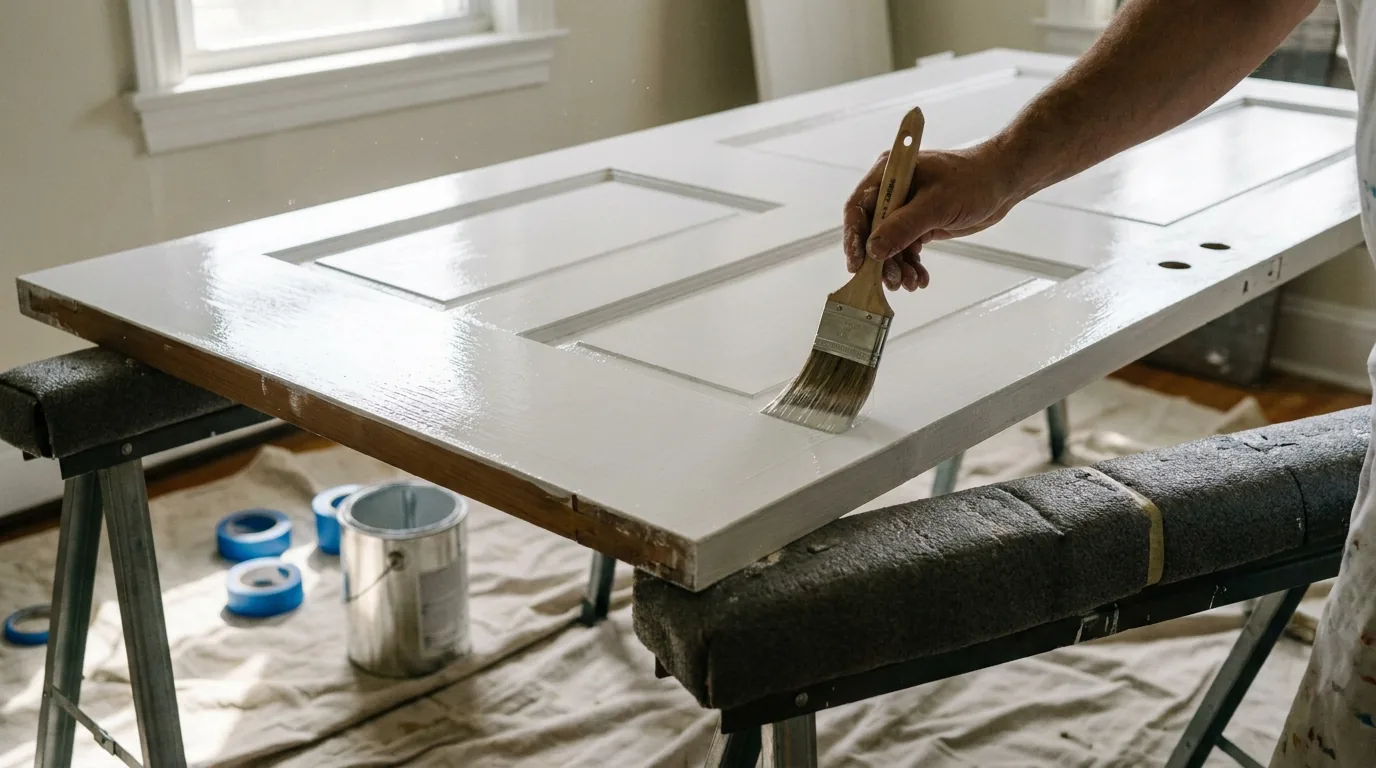
Painting is the easiest trade to enter and one of the hardest to evaluate. Anyone with a ladder and a van can quote your house, the work looks identical on day one whether it was done right or wrong, and the difference does not show up for two years. That asymmetry is why the painting market on Long Island has such a wide spread in both price and quality.
Here is how to sort it out before you sign.
Licensing on Long Island: What Is Actually Required
Suffolk County. Home improvement work requires a Suffolk County Home Improvement License issued through the Office of Consumer Affairs. Ask for the number. You can verify it yourself through the county's license lookup, and you should. Alec's Construction holds Suffolk County Home Improvement License HI-68303.
Nassau County. Nassau has its own separate home improvement licensing through its Office of Consumer Affairs. A Suffolk license does not cover Nassau work and vice versa. If a contractor is working both counties, they should hold both.
Villages and towns. Several incorporated villages — Southampton and others on the East End in particular — require their own separate contractor registration on top of the county license.
An unlicensed contractor is not just a paperwork issue. In New York, unlicensed home improvement contractors can face real difficulty enforcing a contract, which sounds like your advantage until you realize it also means your consumer protections and any county mediation route are gone.
Insurance: The Two Certificates You Need to See
General liability. Covers damage to your property. A dropped ladder through a bay window, overspray on your neighbor's car, a paint spill on a hardwood floor.
Workers compensation. Covers the crew. This is the one homeowners skip asking about and it is the one that can genuinely ruin you. If an uninsured painter falls off a ladder on your property, you can end up personally exposed for the medical costs. New York requires workers compensation coverage for employees.
Do not accept "we're fully insured." Ask for certificates of insurance, and ask that they be sent directly from the agent. A COI emailed from the broker's office is real; a photo of a document is not.
The Twelve Questions
1. What is your license number, and which counties does it cover? 2. Can your insurance agent send me certificates for GL and workers comp? 3. How many coats, and is the primer counted as one of them? 4. Describe the prep in writing. Washing, scraping, sanding, spot-priming, caulking, repair. If it is one sentence, it is one sentence of work. 5. What product and line are you using? A real answer names a brand and a product line, not "premium paint." 6. Who is actually doing the work? The person quoting, their employees, or a subcontracted crew you have not met? Ask whether the subs are covered by the same insurance. 7. What happens if you find rot? The answer should be a process and a rate, not silence. On Long Island, exterior jobs find rot regularly. 8. How do you protect landscaping, floors and furniture? 9. What is the payment schedule? A deposit is normal. A demand for most of the money up front is not. 10. What is the warranty, in writing, and what voids it? 11. Can I see three recent local jobs and talk to those homeowners? Local matters — a Long Island reference means they know what salt air does. 12. Will I have a written contract with a scope, a schedule and a price?
Red Flags
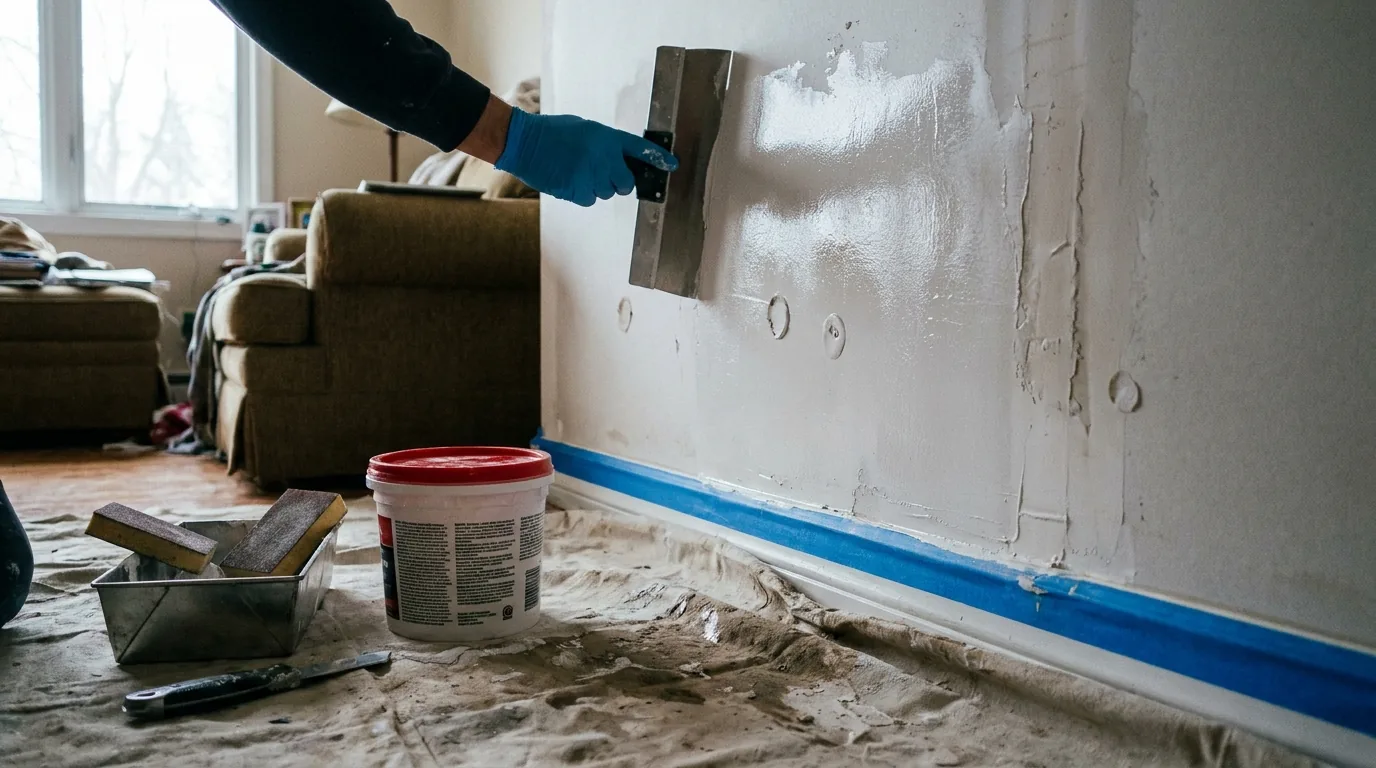
- Door-knocking after a storm. Storm-chasing crews follow weather onto Long Island, work a season and leave. There is nobody to call in year two.
- A price that is dramatically below the others. Thirty to forty percent under two other quotes is not a deal. It is a scope that is missing something.
- Cash only, or a large up-front cash deposit. No paper trail, no recourse, and often no insurance.
- Pressure to sign today. "This price is only good if you sign now" is a sales technique, not a business constraint.
- No written scope. A number with no description of the work is unenforceable.
- No local address. A P.O. box or an out-of-state phone number on a Long Island job is worth a hard question.
- Vague on product. Someone who will not name the paint is planning to use whatever is cheapest that week.
What a Good Estimate Looks Like
A real painting estimate is two to four pages, not a number on a business card. It should name the rooms or elevations included, describe the prep by step, specify the product and sheen for walls, ceilings and trim separately, state the number of coats, list what is excluded, give a schedule, and set out the payment terms. It should have the license number on it.
If you get one document like that and two documents that are a price and a signature line, the comparison has already answered itself.
Getting Real References
Ask for three jobs finished two or more years ago, not last month. Anyone can make a job look good on the day it is finished. What you want to know is whether the south elevation is still holding, whether the trim enamel chipped, and whether the contractor came back when something needed attention.
Call them. Ask what went wrong — because something always does on a real job — and ask how it was handled. How a contractor behaves when there is a problem is the only meaningful quality signal.
What We Do
Alec's Construction is a licensed, insured general contractor working across Suffolk and Nassau County since 2018. Suffolk County Home Improvement License HI-68303. We give you a written scope with the preparation spelled out, we name the products, and if we open something up and find rot we show you the photograph and price the repair before we touch it.
Call (631) 312-7441 or book a free walkthrough.
Frequently Asked Questions
Do painters need a license on Long Island?
Yes. Suffolk County requires a Home Improvement License through the Office of Consumer Affairs, and Nassau County has its own separate licensing. A Suffolk license does not cover Nassau work. Some East End villages require additional local registration on top of the county license.
What insurance should a painting contractor have?
General liability, which covers damage to your property, and workers compensation, which covers the crew. Ask for certificates sent directly from the insurance agent rather than accepting a verbal assurance or a photo of a document.
How much should I pay up front for a painting job?
A reasonable deposit to schedule and cover materials is normal. A demand for most or all of the money before work starts is not. A typical structure is a deposit, a progress payment, and a final payment on completion after you have walked the job.
How do I know if a painting quote is too low?
Compare the written scopes, not the numbers. A quote thirty to forty percent below the others is almost always missing coats, prep, priming, or insurance. Ask each contractor to describe the preparation in writing and the difference usually explains itself.
Should I get three painting quotes?
Three is right. One gives you no reference point and five wastes everyone's time. Make sure all three are quoting the same scope, or you are comparing different jobs.
What questions should I ask a painter's references?
Ask for jobs finished two or more years ago rather than last month, and ask specifically what went wrong and how it was handled. Every real job has a problem; how the contractor responded to it is the only quality signal that means anything.
Related Guides
- Interior Painting on Long Island
- Exterior House Painting on Long Island
- What House Painting Costs on Long Island
- The Best Time to Paint a House Exterior on Long Island
- Kitchen Cabinet Painting on Long Island
Get a Free Estimate from Alec's Construction
Licensed and insured, working across Nassau and Suffolk County since 2018. We come out, look at the actual job, and put a written number in your hand — no pressure, no obligation.
Book a Free WalkthroughOr call (631) 312-7441