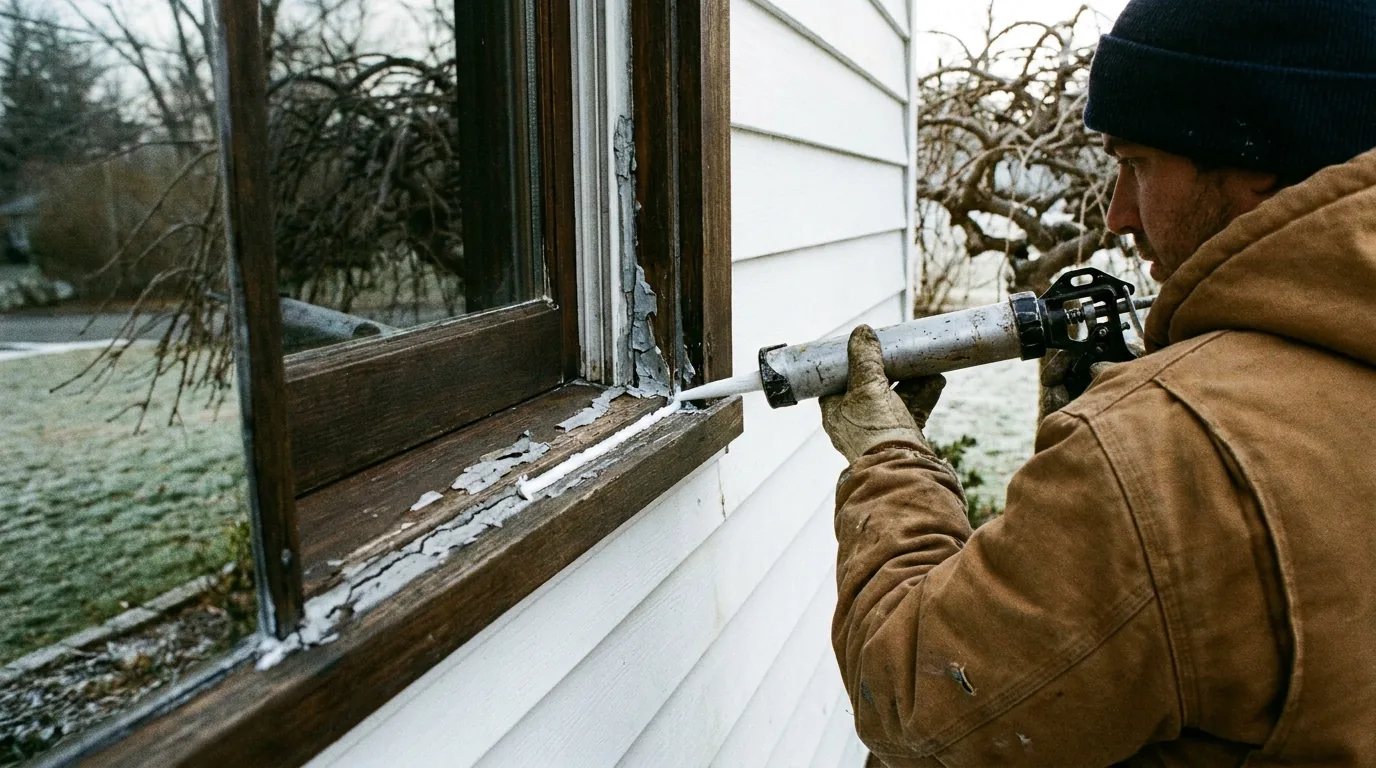
Alec's Construction replaces windows, entry doors and patio doors in Sayville, Suffolk County, working out of the yard in East Patchogue. We treat an opening as carpentry, because that is what it is — the unit is a component, and the sill, the flashing, the shim pack and the trim are the job.
The Window Stock in Sayville
Village stock runs to original wood sash with real millwork around it, which is generally worth restoring. Toward the ferries the exposure changes and the hardware corrodes faster than the sash rots.
Cape and Ranch Openings: Many Small Windows, Not a Few Big Ones
The stock here runs to a lot of modest openings rather than a handful of large ones, which changes the arithmetic. The total linear feet of perimeter to seal is higher than the window count suggests, and perimeter is where the air gets in — around the frame, through the gap stuffed with a scrap of fibreglass when the house was built, not through the window itself.
It also changes the egress question. A small bedroom opening often cannot make the required net clear escape opening as a double-hung, because a double-hung only ever gives you half its height. The same rough opening frequently can make it as a casement. Every bedroom and finished-basement window in the scope gets measured against that before anything is ordered.
The upstairs rooms in a cape are also the coldest rooms in the house, and that is usually the knee walls rather than the glass. We will tell you if that is what we find.
Insert or Full-Frame
This is the decision that most affects whether the work lasts, and most quotes skip it.
An insert replacement leaves the existing frame in the wall and fits a new complete window inside it. It is fast, the exterior is never disturbed, and it is the right call where the frames are sound, dry and square. You lose an inch or so of glass at every opening, and whatever is behind the old frame stays there.
A full-frame replacement takes everything out to the rough opening. The sill and the flashing get inspected and corrected, rot gets repaired rather than concealed, the original glass area is kept, and the new unit is flashed into the water-resistive barrier in the right order. It costs more and it disturbs the trim.
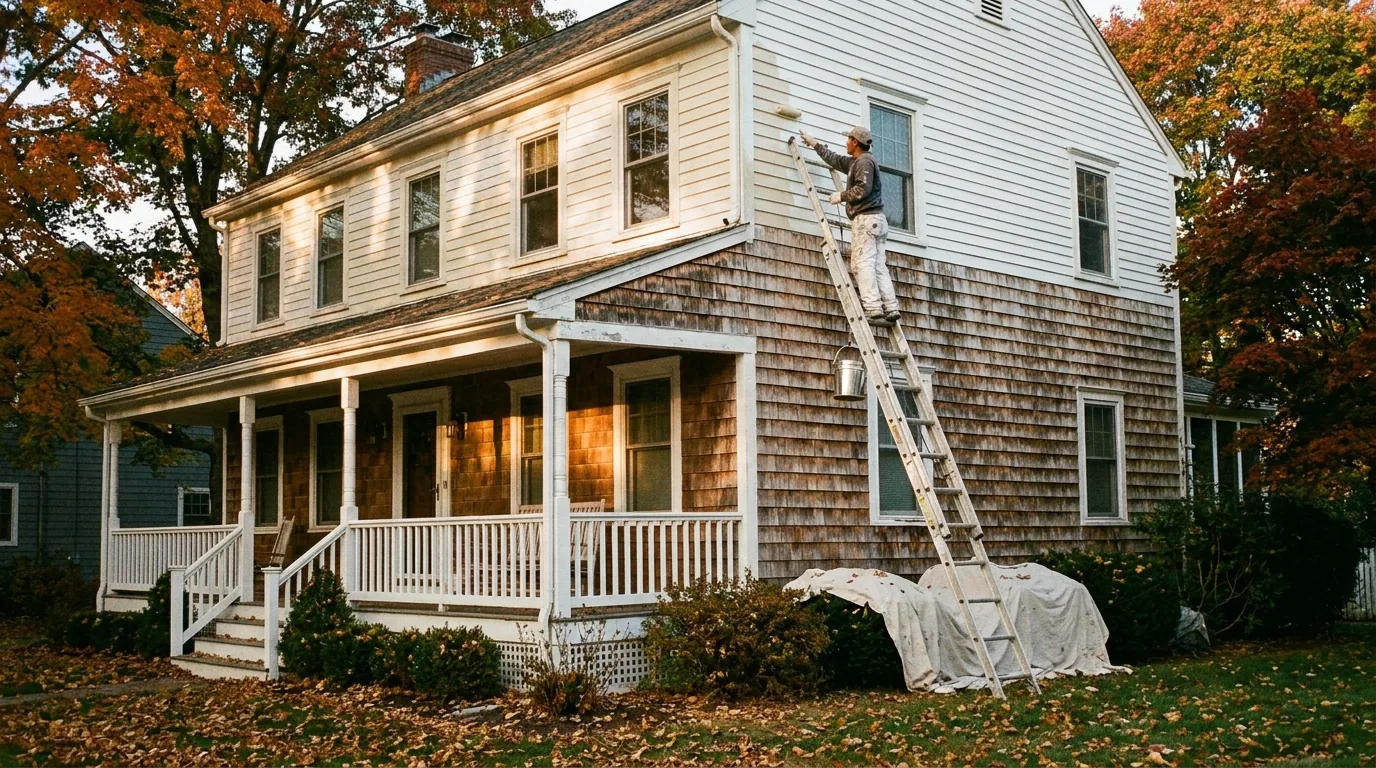
On most houses the honest answer is a mix — full-frame on the weather elevation and anywhere there is staining or rot, insert on the sound, sheltered openings. If siding is also on the list, full-frame during the re-side is much cheaper than full-frame on its own and it is the only way to get the flashing genuinely right.
The Two Things We Check Before Ordering
Egress. Every sleeping room and every finished basement needs an emergency escape opening, and the code sets a minimum net clear opening — 5.7 square feet in most cases — with minimum clear height and width and a maximum sill height. Net clear means the hole you could climb through with the sash fully open. Because an insert unit is smaller than what it replaces, this is exactly how a compliant bedroom window quietly becomes a non-compliant one.
Permits. Sayville files with the Town of Islip. Whether a like-for-like replacement inside an existing rough opening needs a permit varies, and it is a different answer again if an opening is being enlarged, a window is becoming a door, or the address sits in a flood or windborne-debris area. We call with the actual address and the actual scope before we quote a schedule.
What a Written Scope From Us Says
- Which openings are insert and which are full-frame, and why
- The NFRC numbers on the units being installed — U-factor and SHGC, against the Climate Zone 4A prescriptive figures of 0.32 and 0.40
- That the gap between the unit and the framing is sealed deliberately with low-expansion foam or backer rod and sealant, on every opening
- The flashing detail, and a sill pan on every door
- Which bedroom and basement openings were checked for egress
- Interior and exterior trim, and who is finishing it
Booking Sayville
Window and door work runs through the winter on Long Island because openings are done one at a time and closed the same day. The sensible sequence, if the attic is also on the list, is the attic first — it is cheaper, it usually buys more comfort per dollar, and it does not make the window job any harder.
Free walkthrough in Sayville, every opening measured, and an honest list of which ones are worth doing first.
Frequently Asked Questions
Is the original sash in my Sayville house worth keeping?
Often, in the village core. The sash in the Victorians and four-squares near Main Street is old-growth wood, denser and more rot-resistant than current stock, and what has usually failed is the glazing putty, the weatherstrip and the parting bead. Re-glazed and re-weatherstripped with a well-fitted storm it performs respectably. Toward the bay, where salt has been working on it for decades, the answer more often goes the other way.
Will new windows lower my heating bill?
They help, and they are rarely the biggest lever on a Long Island house. Air sealing and attic insulation usually deliver more comfort per dollar, and the rim joist or a knee wall is often the larger loss. Windows are worth doing for the reasons they are actually failing — rot, failed seals, frames that no longer close. We will tell you honestly where they sit in the order.
Do I have to do the whole house at once?
No, and on most houses you should not. Openings fail at different rates depending on which way they face and how much weather they take, so the west and south elevations are usually years ahead of the north. We measure everything, rank it by condition and exposure, and give you a list in the order it is worth spending on.
How long does a window job take?
An insert replacement runs several openings a day and each one is closed the same day it is opened. Full-frame is slower per opening because the trim comes off inside and out and goes back, and there is carpentry if there is rot. A typical whole-house job is measured in days rather than weeks, and the house is never left open overnight.
Related Guides
- Windows and Doors in Holbrook, NY
- Windows and Doors in Bay Shore, NY
- Window Replacement on Long Island
- Full-Frame vs Insert Replacement
- Entry and Patio Doors on Long Island
Also Serving Sayville
- ADUs in Sayville — accessory apartments and grants
- Attic Insulation in Sayville — air sealing, baffles and R-49 depth
- Basement Finishing in Sayville — egress, ceiling height and moisture
- Bathroom Remodeling in Sayville — full gut renovations
- Chimney Repair in Sayville — repointing, crowns, caps and flashing
- Deck Builders in Sayville — new builds, repairs and railings
- Driveway Paving in Sayville — blacktop, resurfacing and repairs
- Emergency Roof Repair in Sayville — tarping, leaks and storm response
- Front Steps & Stoops in Sayville — rebuilds, treads and railings
- Gutter Installation in Sayville — seamless gutters, fascia and drainage
- House Painters in Sayville — exteriors while the fall window holds
- Storm Damage & Insurance Restoration in Sayville — emergency tarping and the claim
- Interior Painting in Sayville — the right work for the cold months
- Kitchen Remodeling in Sayville — cabinets, counters and layout
- Masonry & Pavers in Sayville — patios, walkways and retaining walls
- Roofing in Sayville — tear-offs, repairs and storm damage
- Siding in Sayville — James Hardie, vinyl and cedar
Work With Alec's Construction
This guide is written by the crew that does the work. See Alec's Windows & Doors service — insert and full-frame replacement, flashed and sealed as carpentry. One crew start to finish, free walkthrough and a written estimate inside 48 hours.
Booking the cold months now: we also handle Siding and Attic Insulation.
Get a Free Estimate from Alec's Construction
Working across Suffolk County since 2018, one crew from start to finish. We come out, look at the actual job, and put a written number in your hand — no pressure, no obligation.
Or call (631) 312-7441