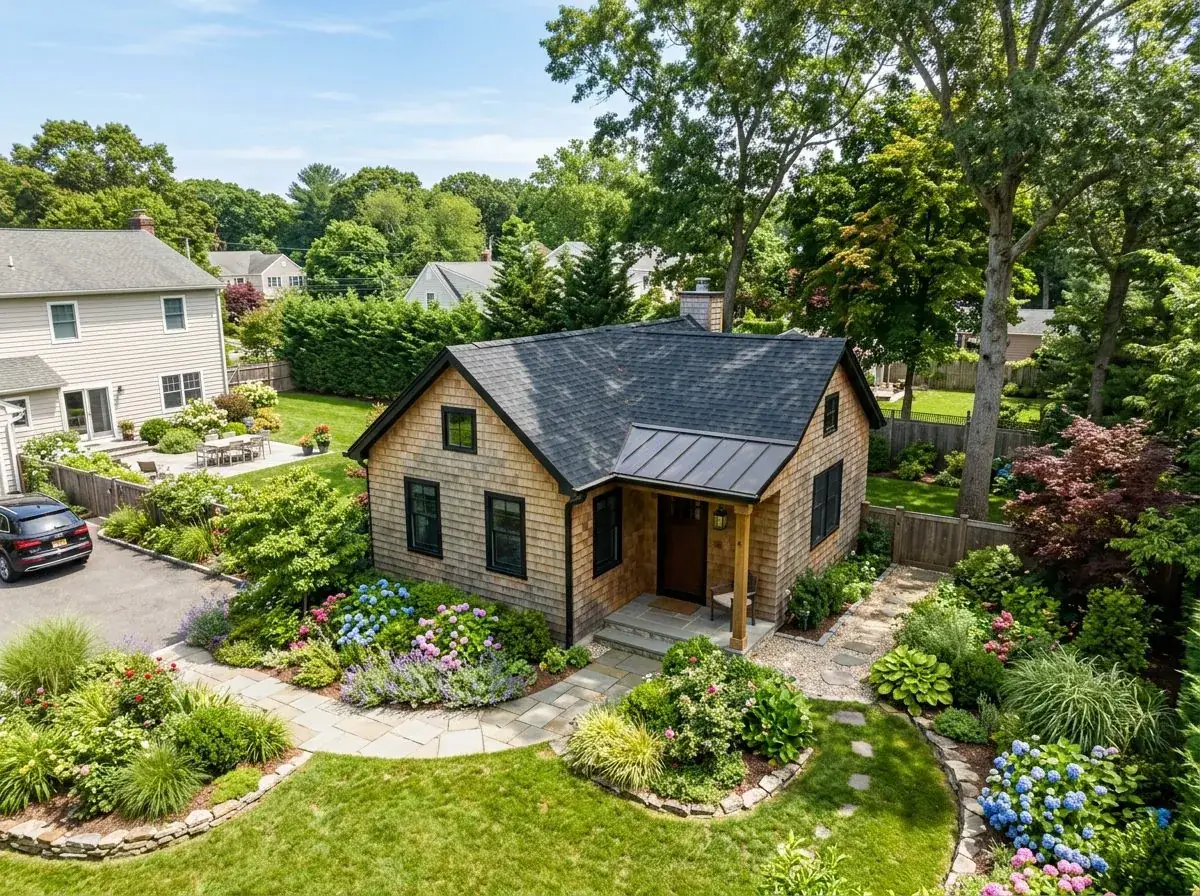
Before a single nail is driven on an ADU project on Long Island, you need permits — and navigating the approval process in Nassau and Suffolk County requires knowing exactly what each municipality requires. Skipping this step doesn't just risk fines; it can prevent you from selling the home or renting the unit legally down the road.
What the Permit Process Looks Like on Long Island
ADU permitting on Long Island happens at the town level, not the county level. Nassau County contains towns like Hempstead, North Hempstead, and Oyster Bay, each with its own building department. Suffolk County is home to Brookhaven, Huntington, Islip, Babylon, Smithtown, and others. Rules differ significantly — some towns have formal accessory apartment permit programs with defined eligibility requirements; others treat ADUs as standard home additions subject to general zoning review.
A typical permit application for an ADU on Long Island requires: a site plan showing the property, existing structures, and proposed ADU; architectural drawings stamped by a licensed architect or engineer; a survey of the property; proof of owner occupancy in some municipalities; and documentation of compliance with minimum lot size, setback, and lot coverage requirements. Some towns require a zoning board appearance if your property doesn't meet all requirements as of right, which adds months to the timeline.
Common approval timelines: straightforward applications in towns with active accessory apartment programs can be approved in 2–4 months. Projects requiring variance hearings can take 6–12 months or longer. Your contractor's familiarity with local permitting offices is one of the most important factors in keeping your project on schedule.
Key Zoning Rules to Know Before You Apply
Most Long Island municipalities cap ADU size at 35–50% of the main residence square footage, with absolute maximums ranging from 600 to 1,200 square feet. Setback requirements (minimum distances from property lines) apply to detached ADUs just as they do to any new structure — typically 5 to 10 feet from side and rear property lines. Lot coverage limits cap the total percentage of your lot covered by structures, and adding an ADU can push some properties over the limit.
Parking requirements are another common snag: most towns require one additional off-street parking space for each ADU. On smaller Long Island lots, this can be challenging to accommodate. Your contractor or architect should review all of these constraints before finalizing the design.
ADU Guides by Town
Accessory dwelling rules change from town to town, and inside Nassau County they change again from village to village. These town-by-town guides cover the zoning, permit process and costs where you actually live.
Suffolk County: Amagansett · Babylon · Bay Shore · Bridgehampton · Brookhaven · Cold Spring Harbor · East Hampton · Huntington · Islip · Medford · Montauk · Northport · Patchogue · Port Jefferson · Quogue · Riverhead · Sag Harbor · Sayville · Shelter Island · Smithtown · Southampton · Southold · Water Mill · Westhampton Beach
Nassau County: Hempstead · North Hempstead · Oyster Bay
Frequently Asked Questions
How long does ADU permit approval take on Long Island? Straightforward applications in towns with active accessory apartment programs are approved in 2–4 months. Projects requiring variance hearings can take 6–12 months or longer.
What does an ADU permit application require? A site plan showing the property, existing structures, and proposed ADU; architectural drawings stamped by a licensed architect or engineer; and the town's application forms. Permitting happens at the town level — each Nassau and Suffolk town has its own building department.
How large can my ADU be? Most Long Island municipalities cap ADU size at 35–50 percent of the main residence's square footage, with absolute maximums ranging from 600 to 1,200 square feet.
Do I need extra parking for an ADU? Most towns require one additional off-street parking space for each ADU — a common snag on smaller Long Island lots that your contractor should flag before you apply.
Work With Alec's Construction
This guide is written by the crew that does the work. See Alec's ADUs service — accessory apartments, garage conversions and grant paperwork. Licensed and insured on Long Island, one crew start to finish, free walkthrough and a written estimate inside 48 hours.
Booking the cold months now: we also handle Additions & New Construction and Bathroom Remodeling.
We pull the permits on our own jobs — if you need the building department for your town, we keep a current directory of all 23 Long Island permit offices.
Also Serving Permit Long Island
- Bathroom Remodeling in Permit Long Island — full gut renovations
- Roofing in Permit Long Island — tear-offs, repairs and storm damage
Ready to Get Started?
Thinking about an ADU? Call Alec's Construction at (631) 312-7441 for a free estimate. We handle design coordination, permits, and construction across Nassau and Suffolk County.
Get a Free Consultation