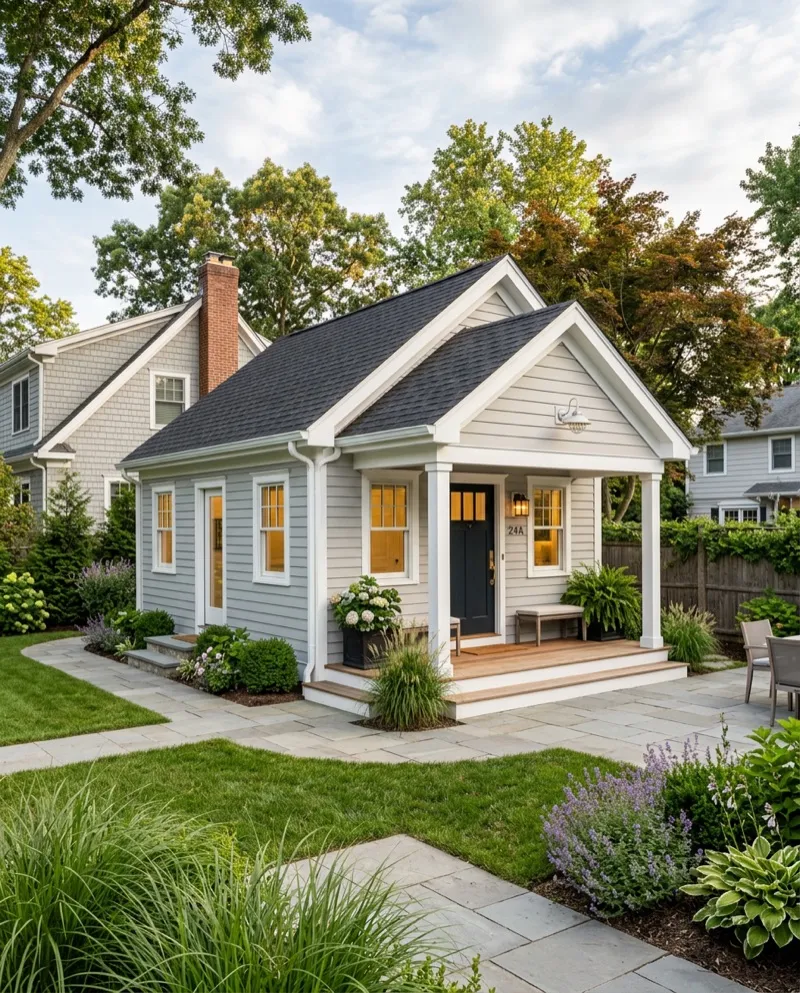
Nassau County is one of the most densely populated suburban counties in the United States, and its housing stock reflects decades of single-family residential development. ADU regulations in Nassau County operate at the town level — the three towns (Hempstead, North Hempstead, and Oyster Bay) each administer their own zoning and building codes, with significant differences in how they approach accessory dwellings.
Town of Hempstead ADU Rules
The Town of Hempstead — Long Island's largest municipality by population — has historically been restrictive about accessory apartments. However, facing pressure from housing demand and state legislation encouraging accessory dwelling units, the town has developed a formal accessory apartment permit program. Eligible properties must be owner-occupied, meet minimum lot size requirements (typically 6,000–7,500 square feet depending on the zoning district), and demonstrate adequate parking. The ADU must be clearly secondary to the primary residence in size, and a maximum of one accessory apartment is permitted per property.
Key requirements in Hempstead: maximum ADU size is typically 35–40% of the primary residence gross floor area; the accessory apartment must have a separate entrance; the owner must reside in either the primary unit or the ADU; and an annual renewal of the accessory apartment permit may be required. Building permits, electrical permits, and plumbing permits are all required separately. A certificate of occupancy is required before any tenant can legally occupy the unit.
North Hempstead and Oyster Bay
The Town of North Hempstead, which includes communities like Great Neck, Port Washington, and Manhasset, has an accessory apartment program focused on owner-occupied properties in residential zones. The program requires properties to meet minimum lot sizes, setback requirements, and off-street parking standards. Many properties in North Hempstead's more affluent communities have larger lots, making ADU compliance more straightforward than in denser western Nassau.
The Town of Oyster Bay covers communities from Massapequa to Syosset to Oyster Bay Cove. Accessory apartment rules in Oyster Bay generally follow New York State building code requirements with local amendments. The town requires owner occupancy, limits ADU size relative to the primary residence, and mandates separate entrances and adequate parking. Like the other Nassau towns, Oyster Bay issues accessory apartment operating permits that may require periodic renewal.
For any Nassau County ADU project, consulting directly with the relevant town building department before finalizing your design is essential. Rules have evolved in recent years, and a licensed contractor familiar with Nassau County municipal requirements can prevent costly redesigns and permit denials.
ADU Guides by Town
Accessory dwelling rules change from town to town, and inside Nassau County they change again from village to village. These town-by-town guides cover the zoning, permit process and costs where you actually live.
Suffolk County: Amagansett · Babylon · Bay Shore · Bridgehampton · Brookhaven · Cold Spring Harbor · East Hampton · Huntington · Islip · Medford · Montauk · Northport · Patchogue · Port Jefferson · Quogue · Riverhead · Sag Harbor · Sayville · Shelter Island · Smithtown · Southampton · Southold · Water Mill · Westhampton Beach
Nassau County: Hempstead · North Hempstead · Oyster Bay
Work With Alec's Construction
This guide is written by the crew that does the work. See Alec's ADUs service — accessory apartments, garage conversions and grant paperwork. Licensed and insured on Long Island, one crew start to finish, free walkthrough and a written estimate inside 48 hours.
Booking the cold months now: we also handle Additions & New Construction and Bathroom Remodeling.
Filing something yourself? Our Long Island building department directory lists the address, phone and counter hours for all 23 permit offices in Nassau and Suffolk.
Ready to Get Started?
Thinking about an ADU? Call Alec's Construction at (631) 312-7441 for a free estimate. We handle design coordination, permits, and construction across Nassau and Suffolk County.
Get a Free Consultation